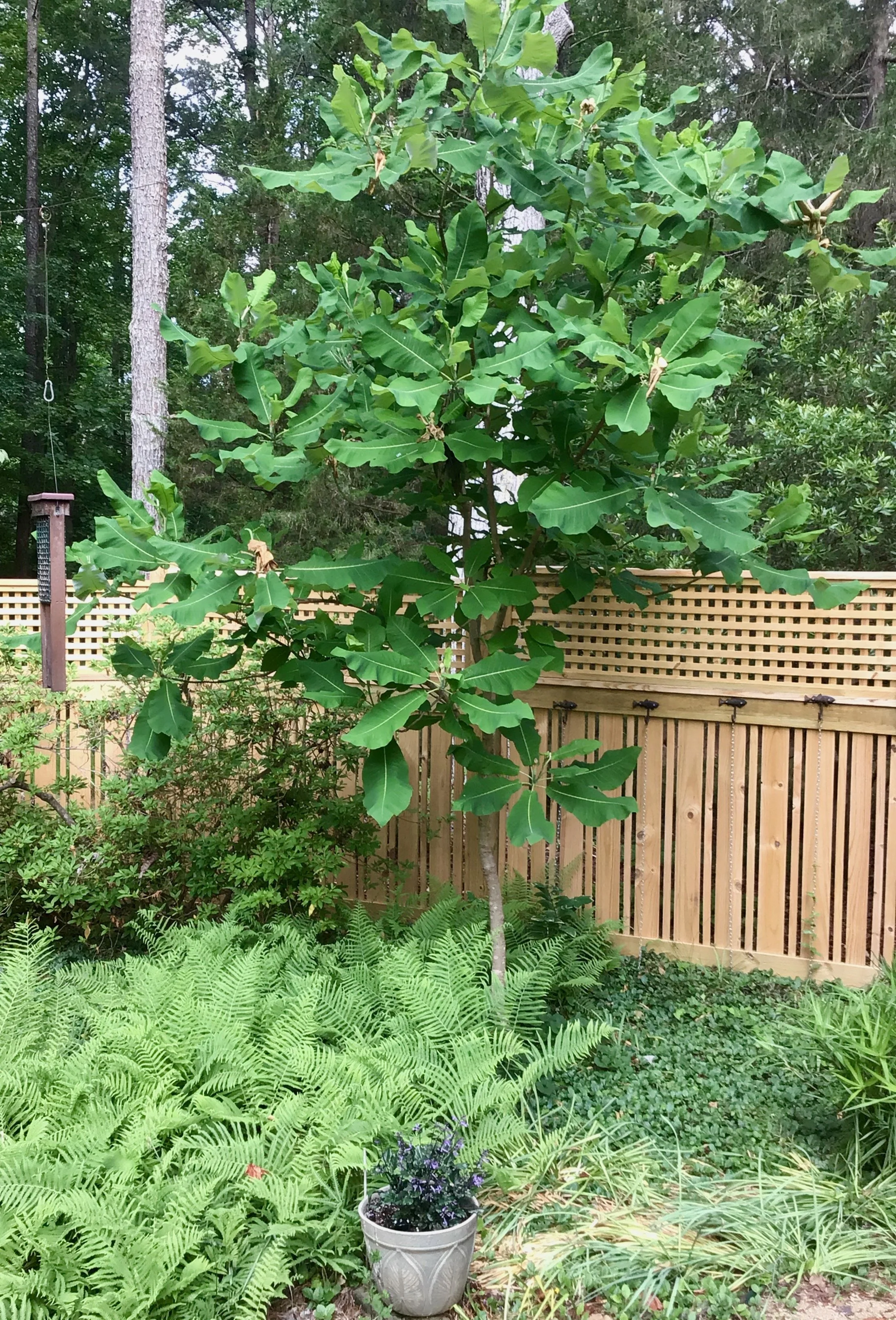
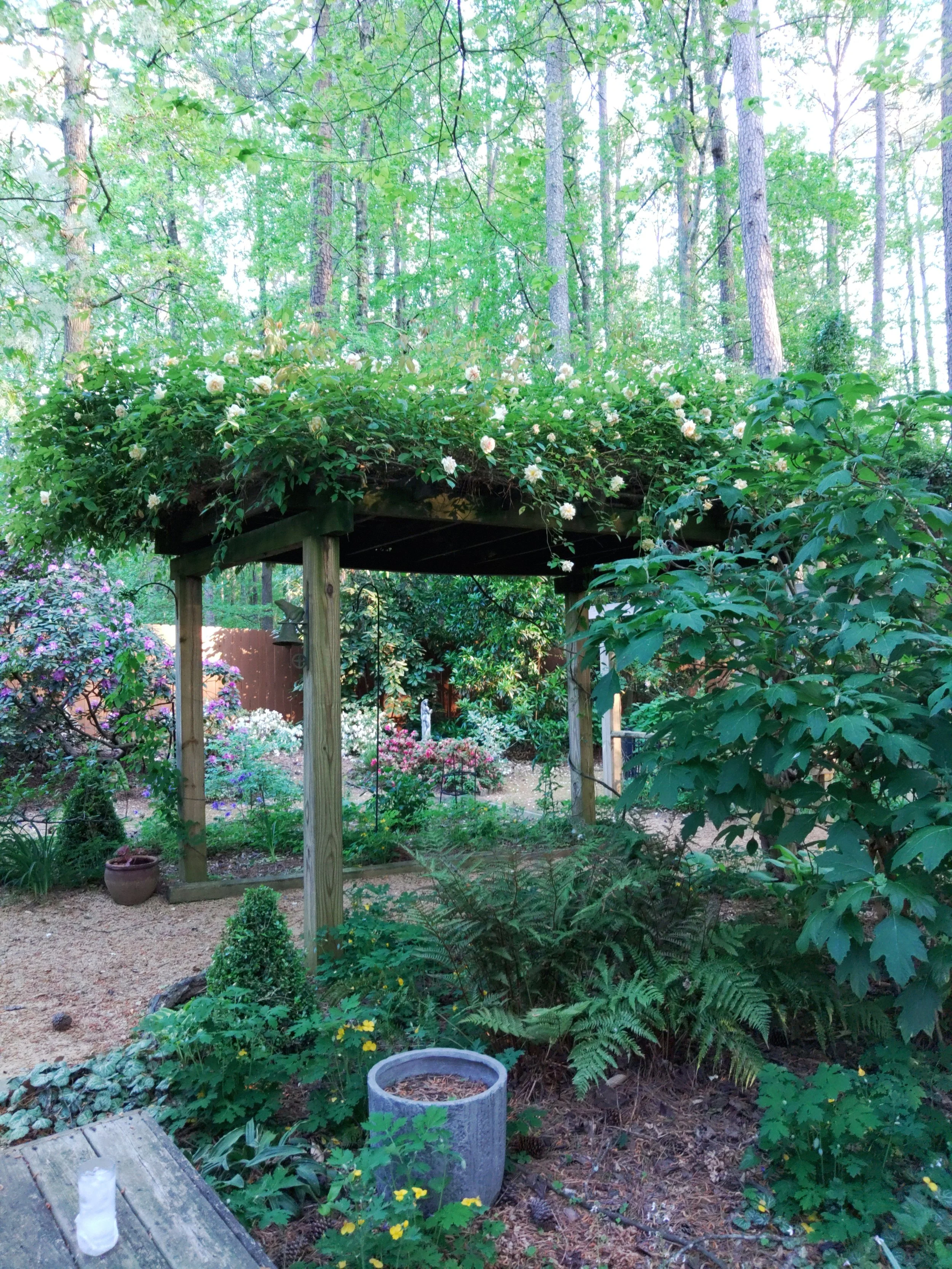
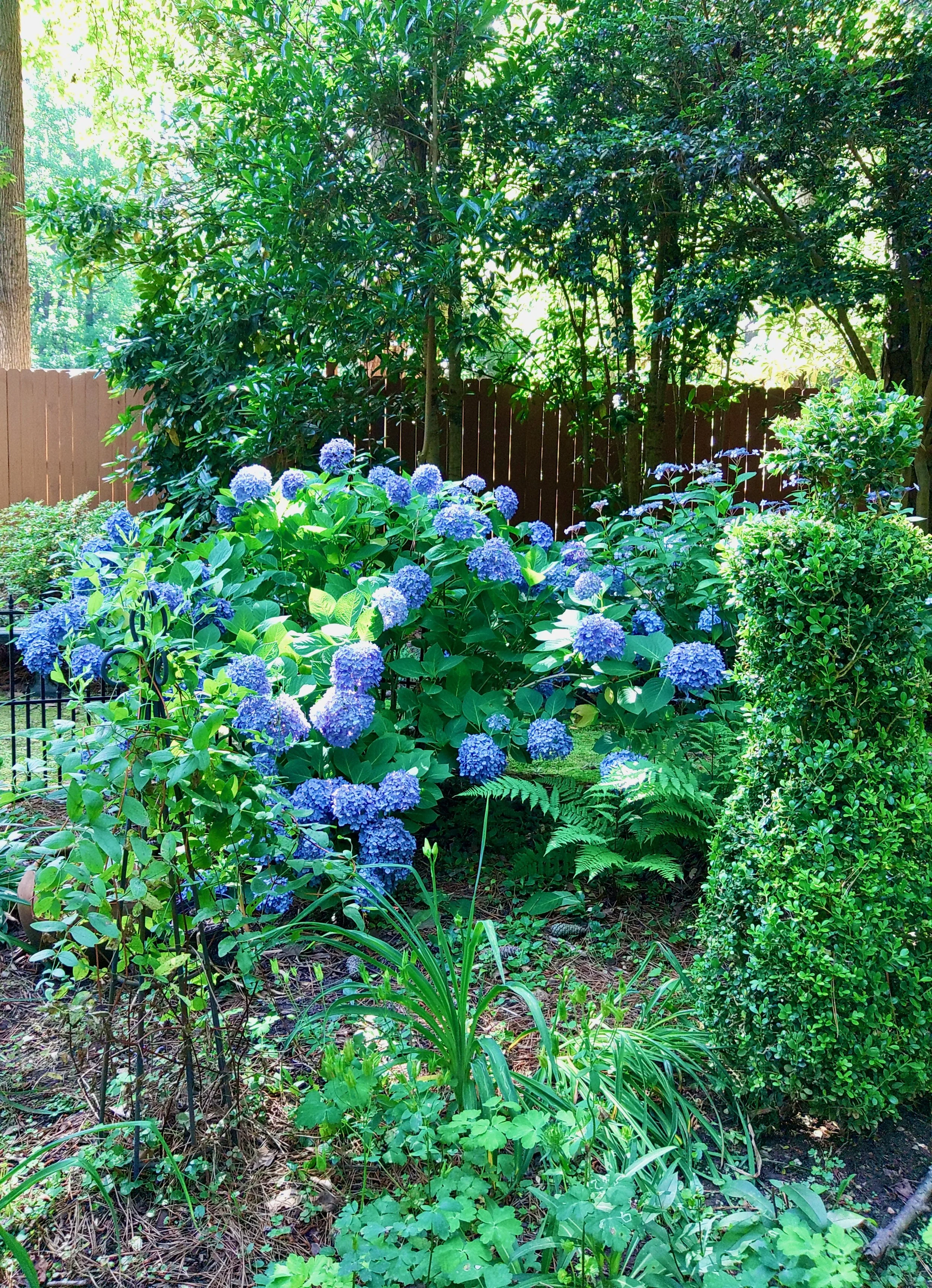
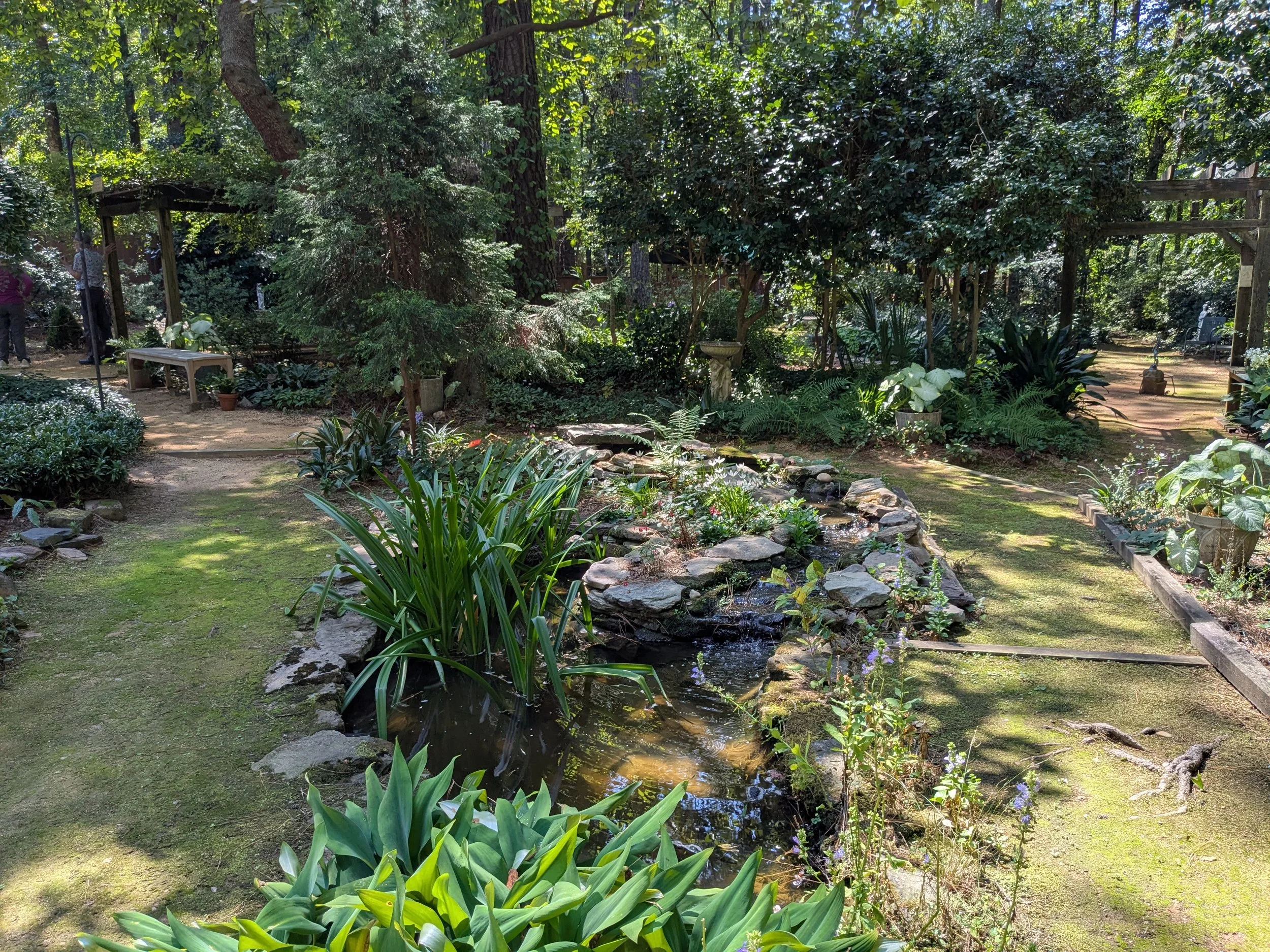
The Gardens
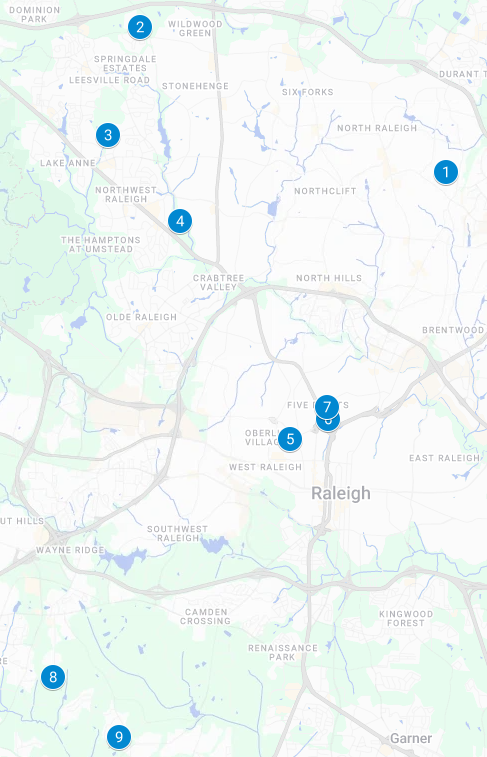
The 2027 Garden Tour will feature 9 gardens in the Raleigh area.
#1 The Lane’s Little Garden
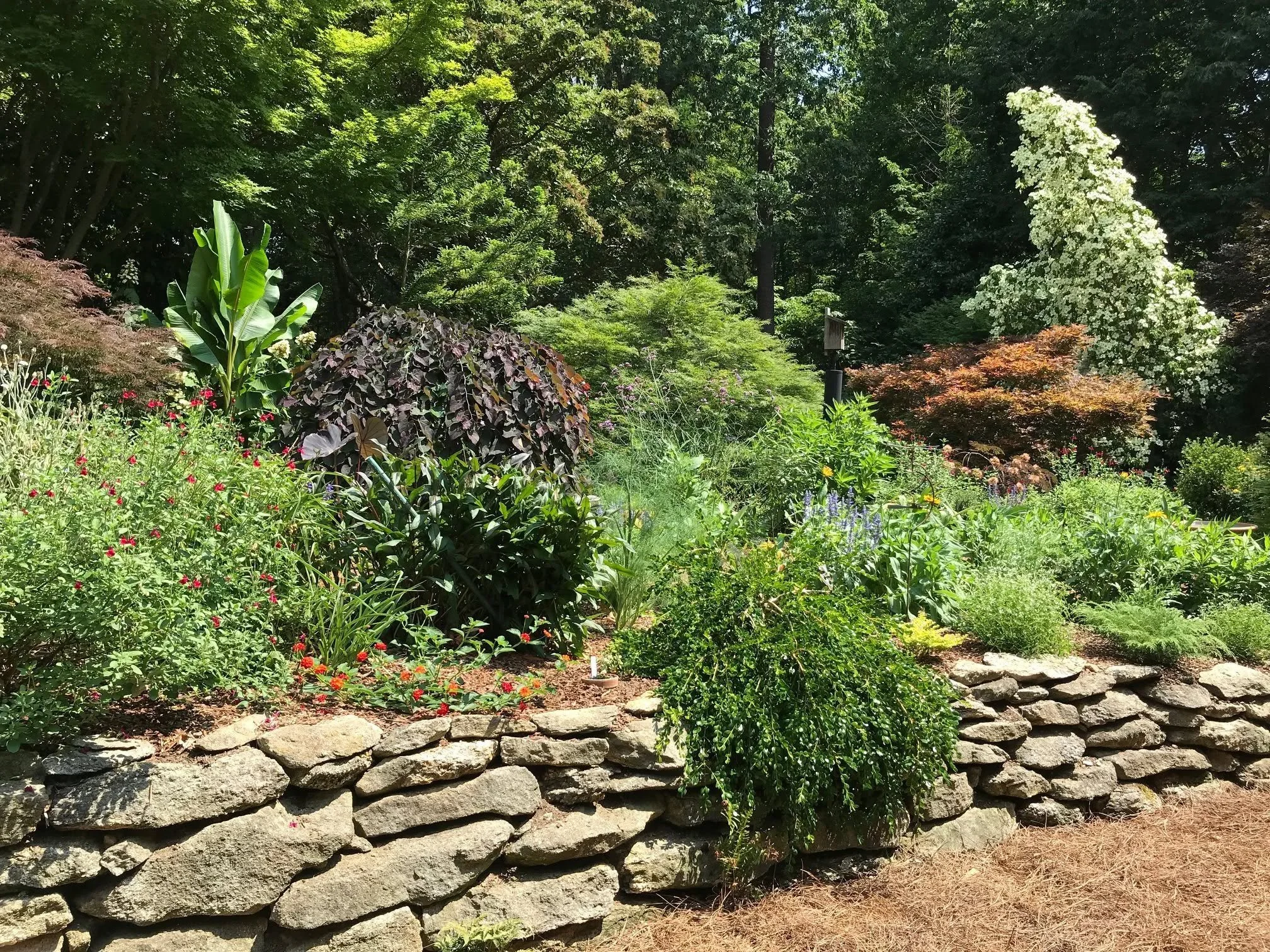
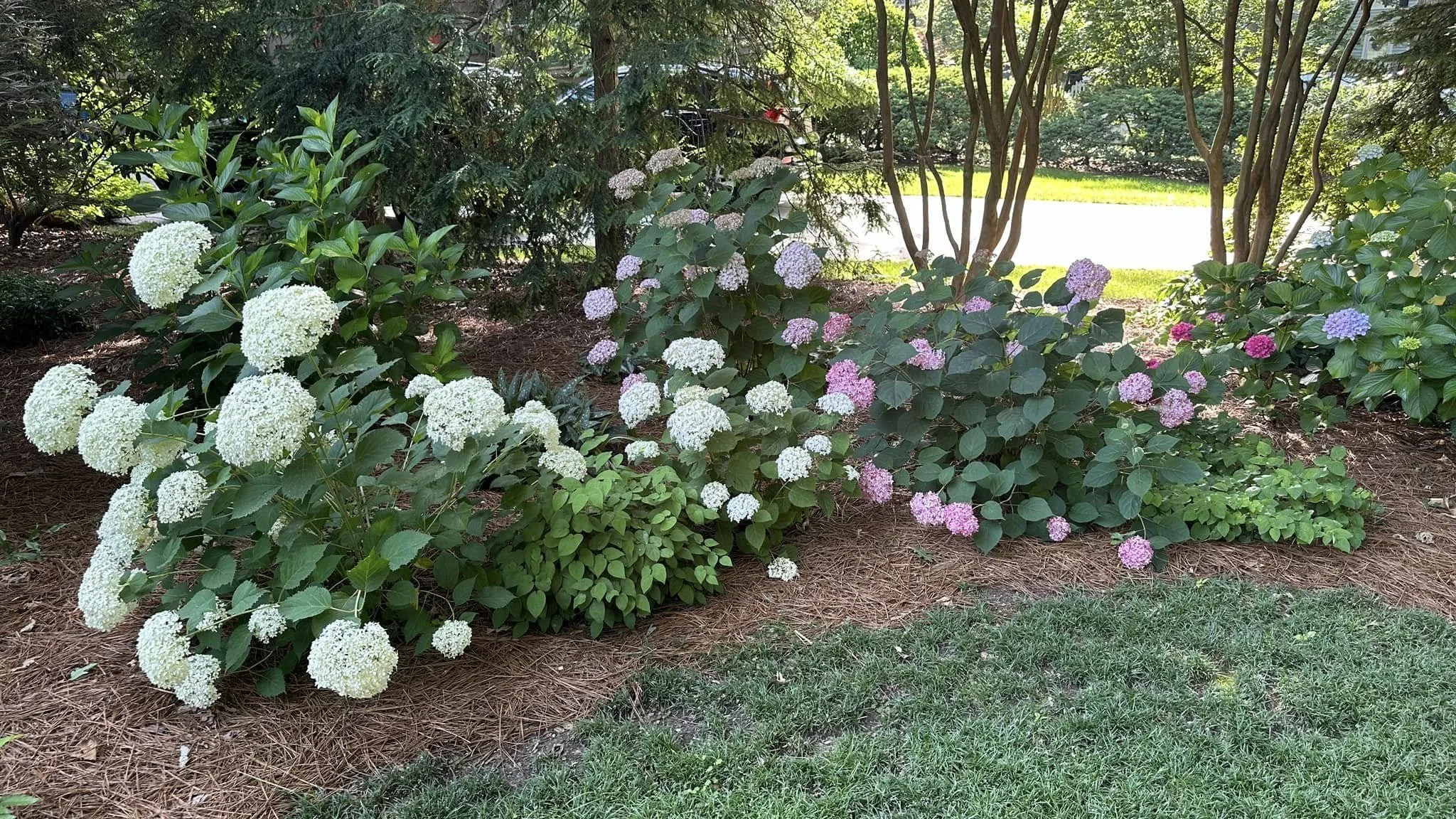
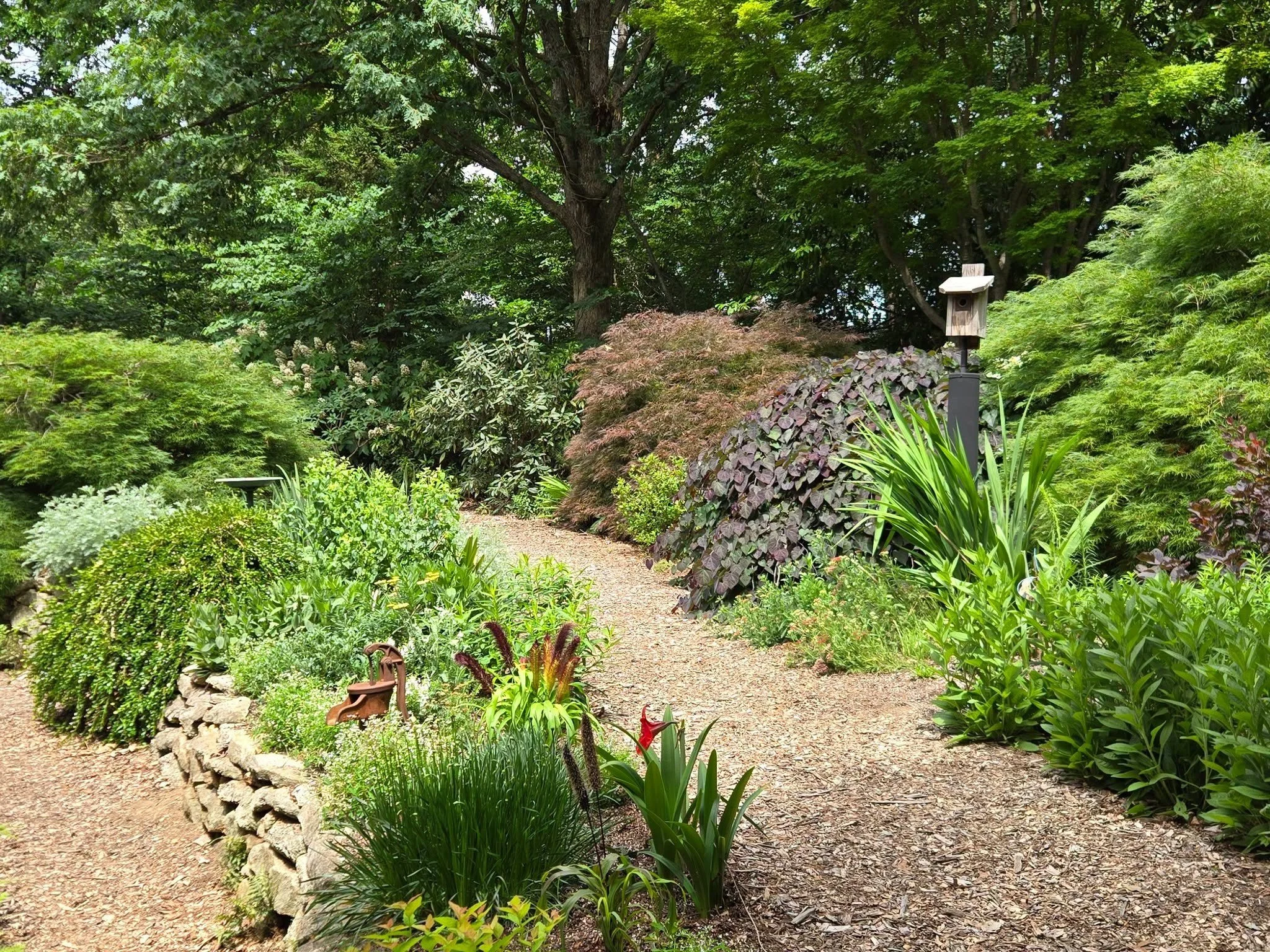
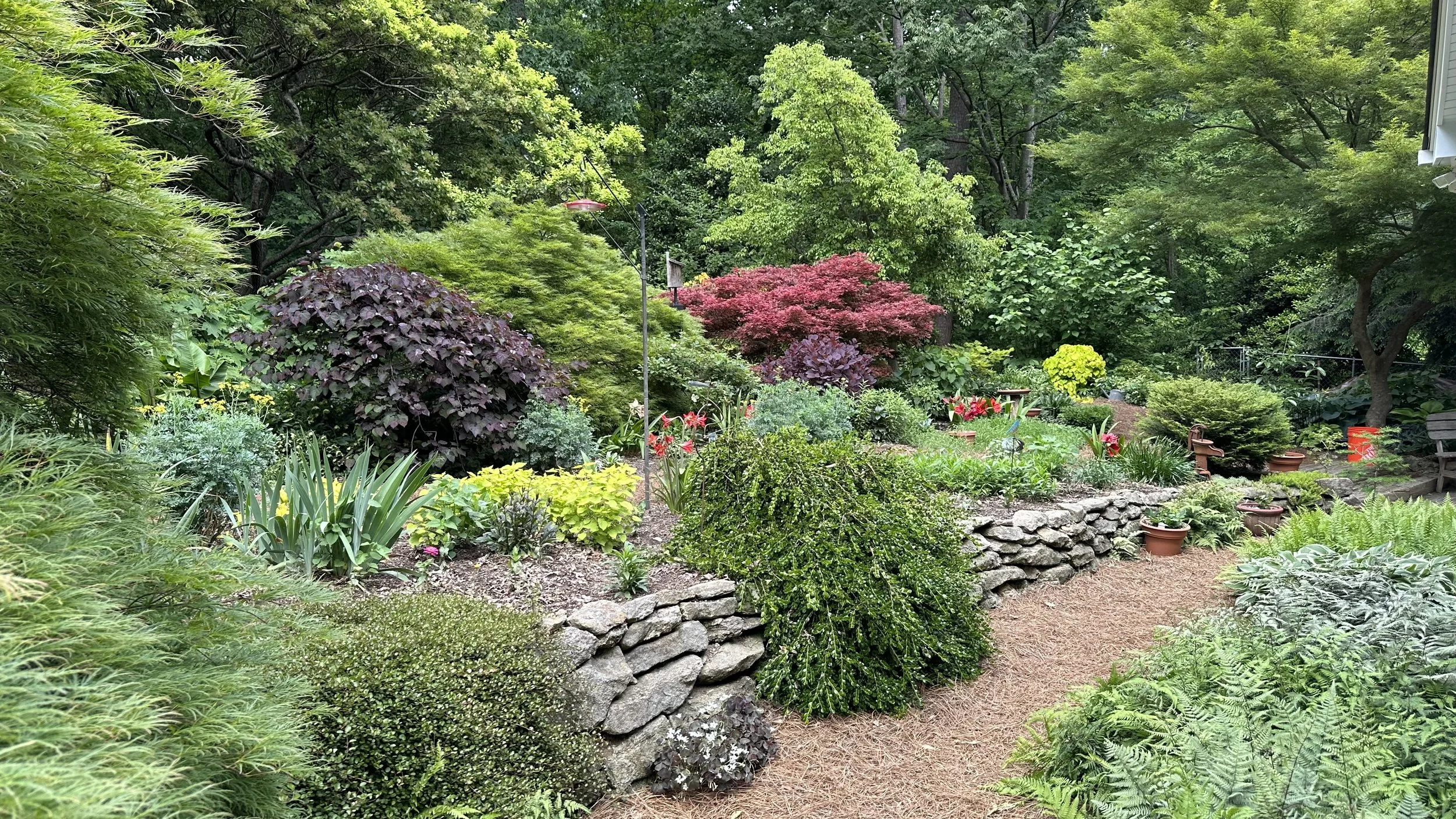
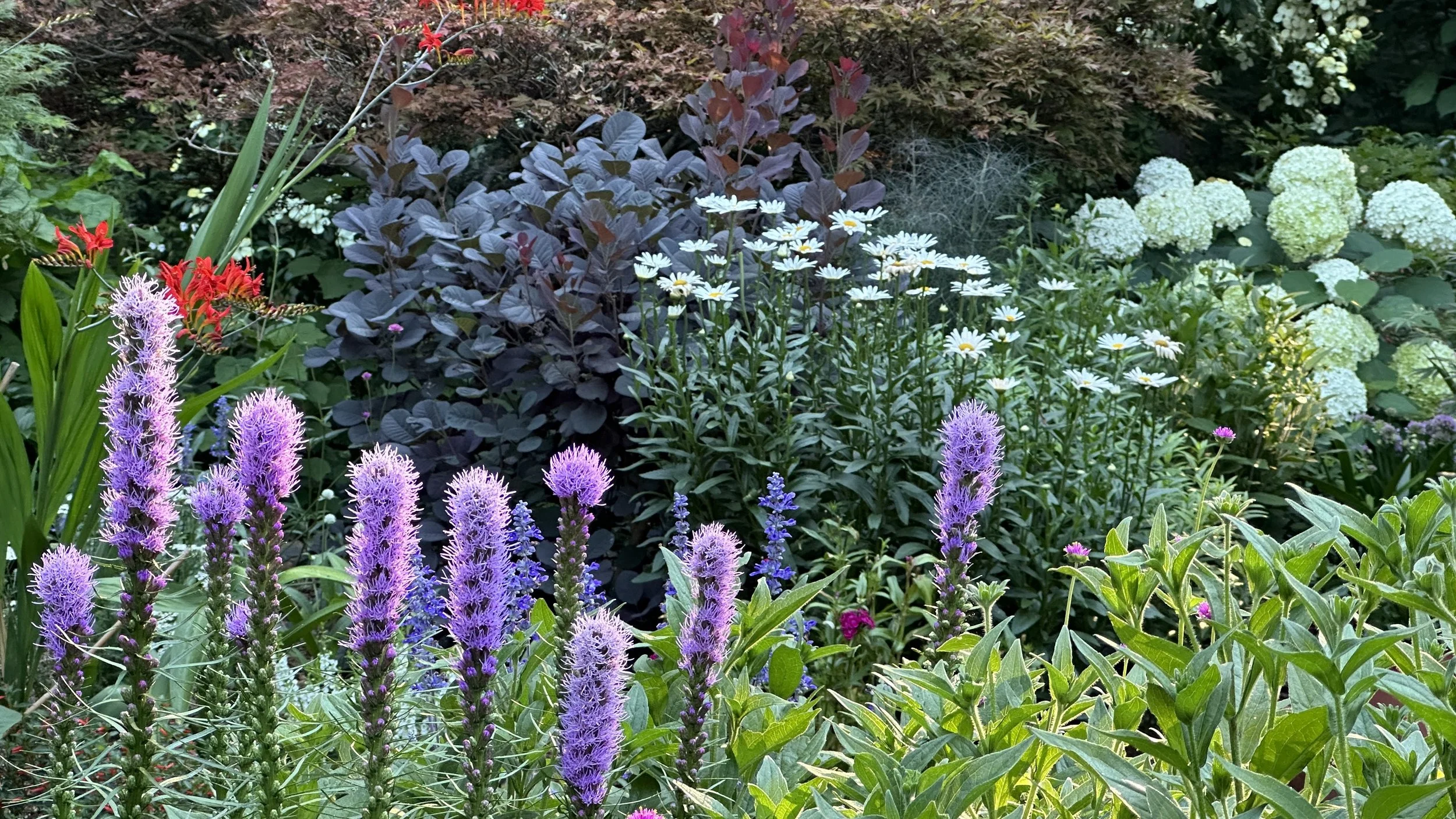
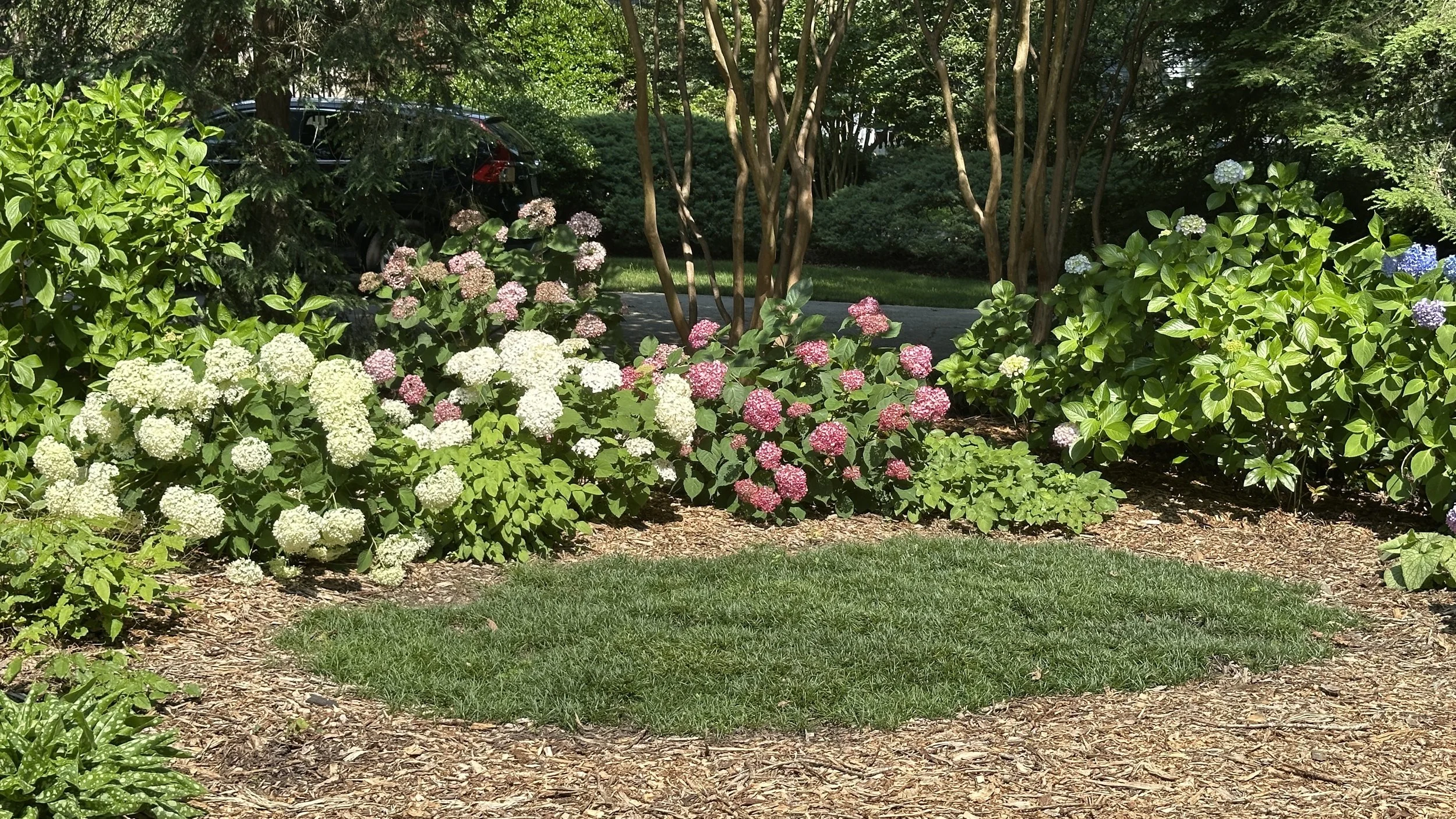
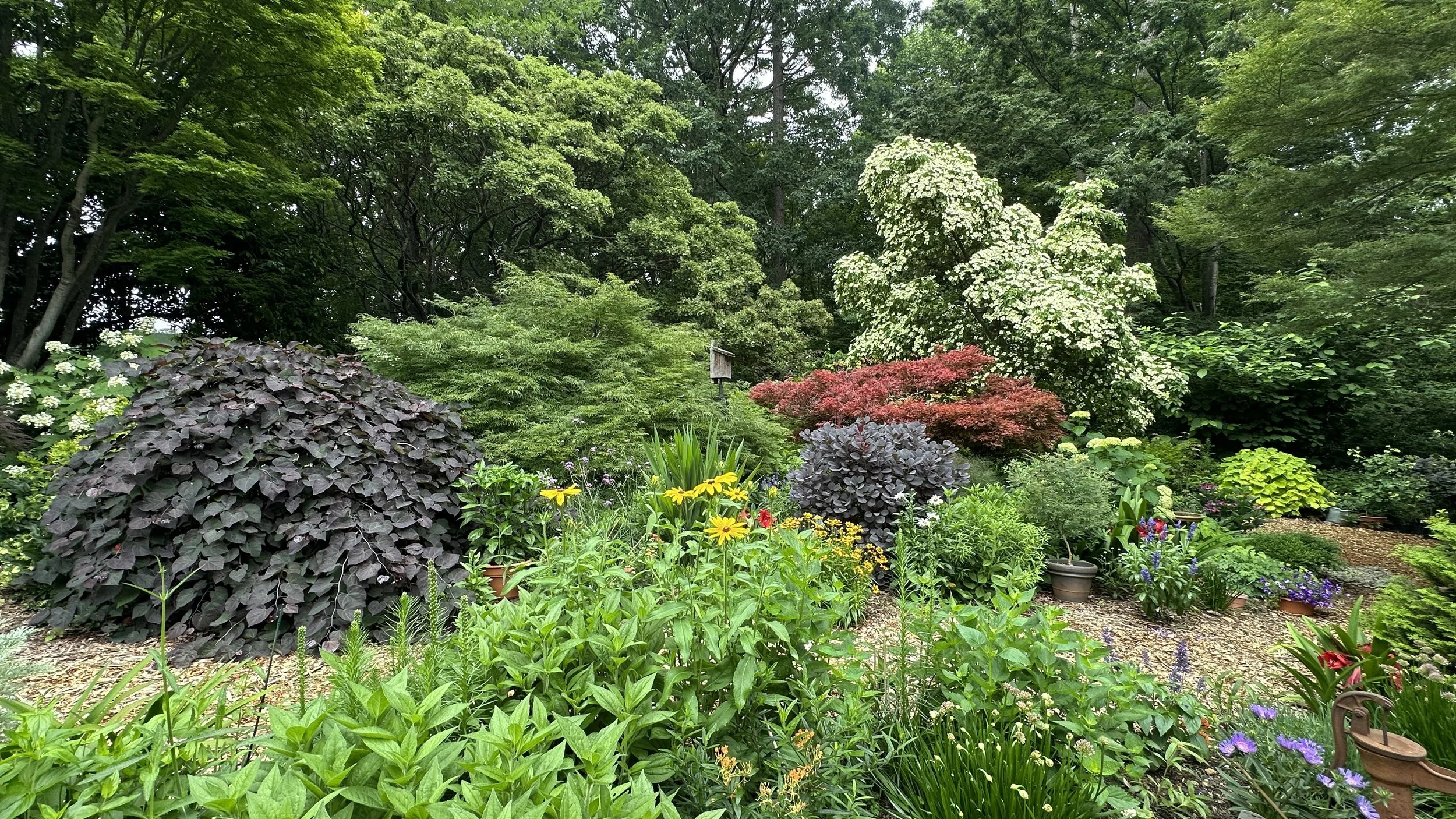
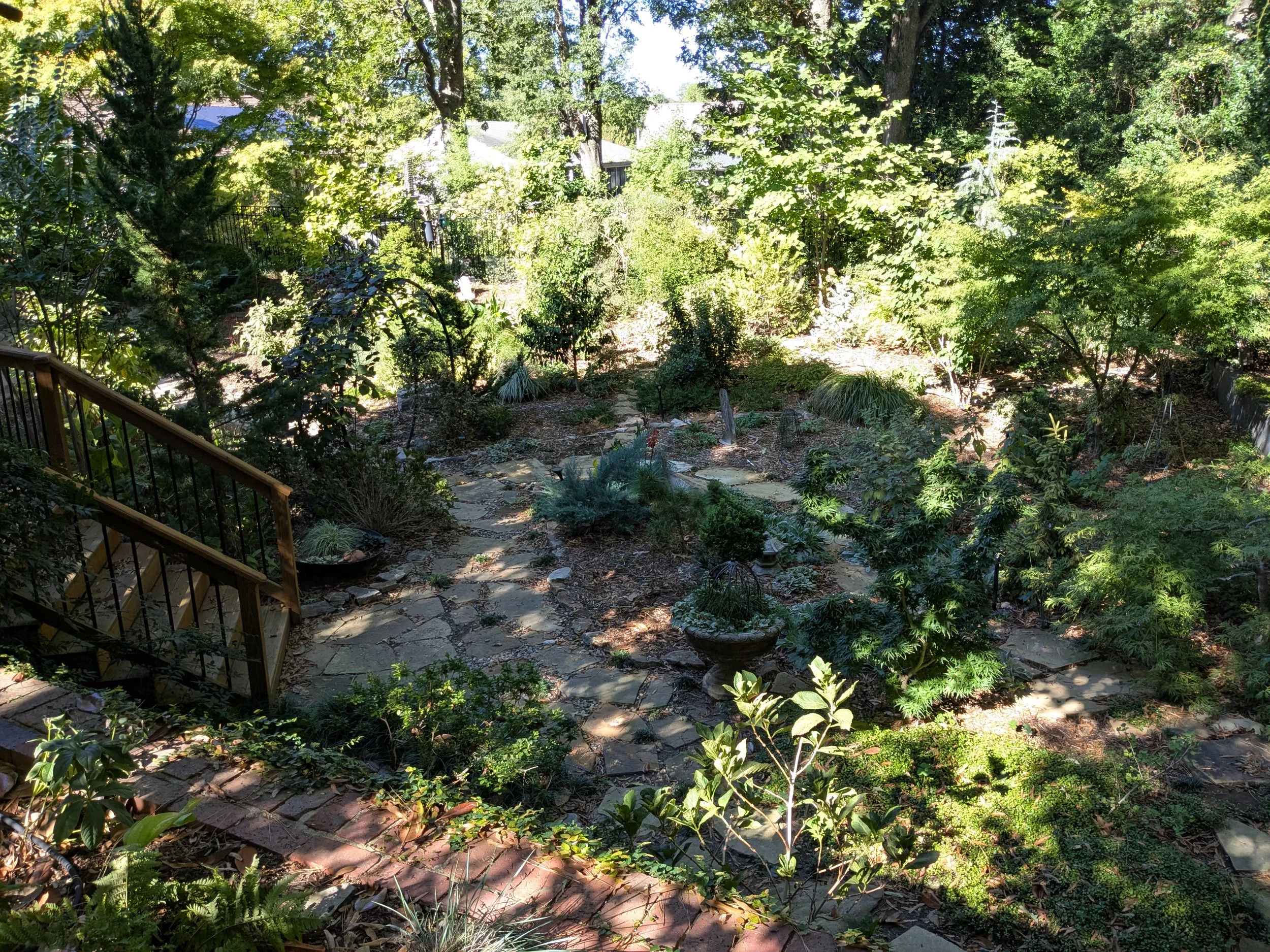
“The Lane’s Little Garden" is located on a quarter acre plot in a modest neighborhood in North Raleigh, where Bryce has been gardening there for 43 years. The garden is a turf less plant collector’s garden consisting of many of Bryce’s favorite groups of plants, including but not limited to Hydrangeas, Japanese Maples, Redbuds, Allium, Ferns, and many more. The small back yard sunroom is framed by a native stone retaining wall with mixed plant beds on both sides. Many paths meander through the garden and flow into the natural areas in the park behind the house.
#2 Serendipitous Sanctuary
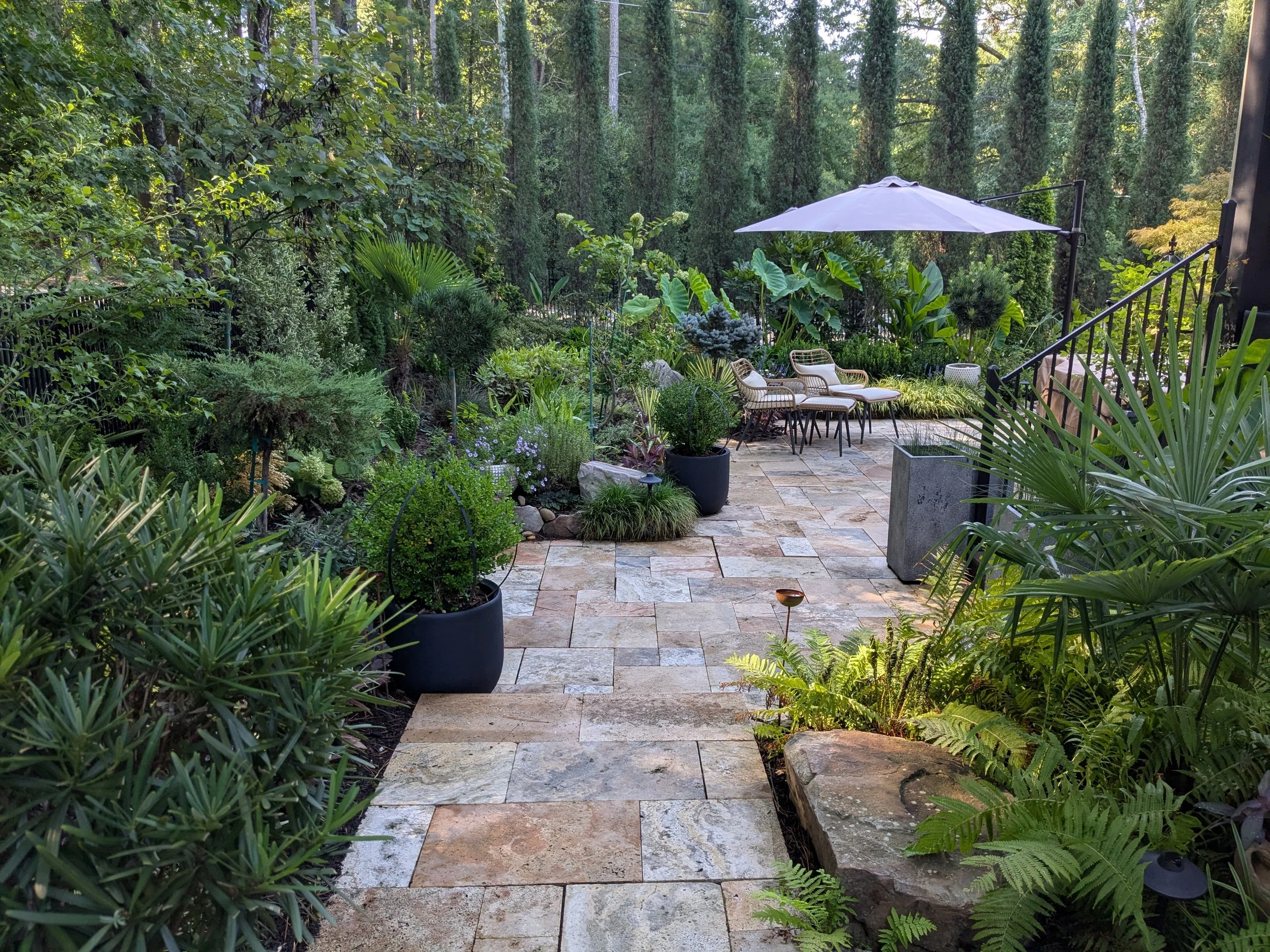
When we first stood in this yard, it was a flat, open rectangle with nothing to slow you down. I wanted the opposite: a garden you discover a little at a time, the way you might wander a Mediterranean hillside and suddenly find yourself in a quiet wood.
So we built it up in levels, with travertine terraces stepping from one space to the next. A row of columnar cypress now stands tall along the boundary like old friends keeping watch, and the rock-walled swim spa, mossy boulders, and putting green give everything its bones. I love a bit of tension and contrast in a garden, so the formal pieces (standard Iceberg roses, clipped geometric boxwood shapes, and lollipop trees) sit right alongside loose, informal, and lush perennials and natural stone.
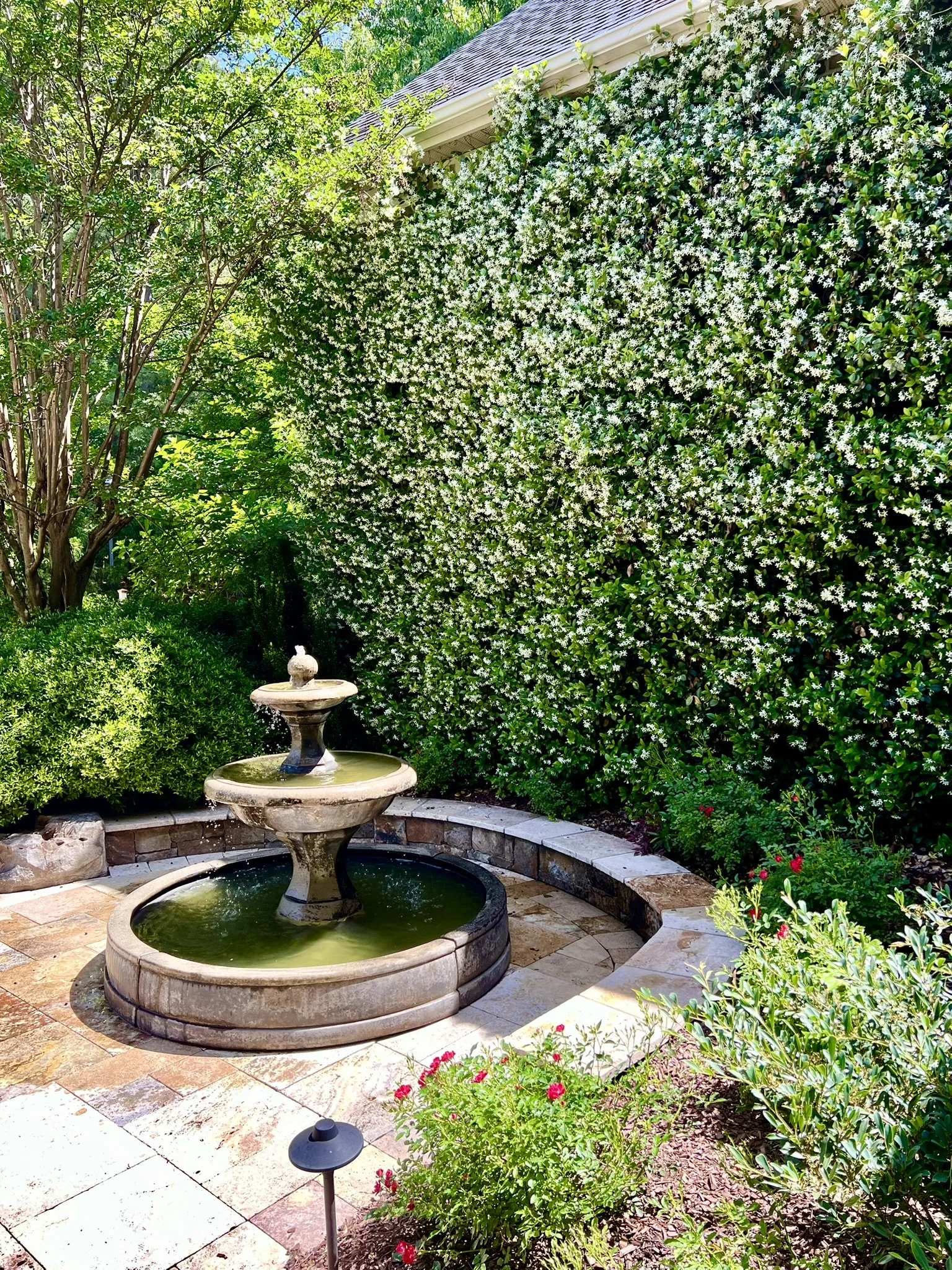
You can't see it all at once, and that's on purpose. Each turn opens onto its own room: somewhere to eat, somewhere to lounge, somewhere to play, and a quiet corner by the water where the rhythmic splash of the fountain does most of the talking.
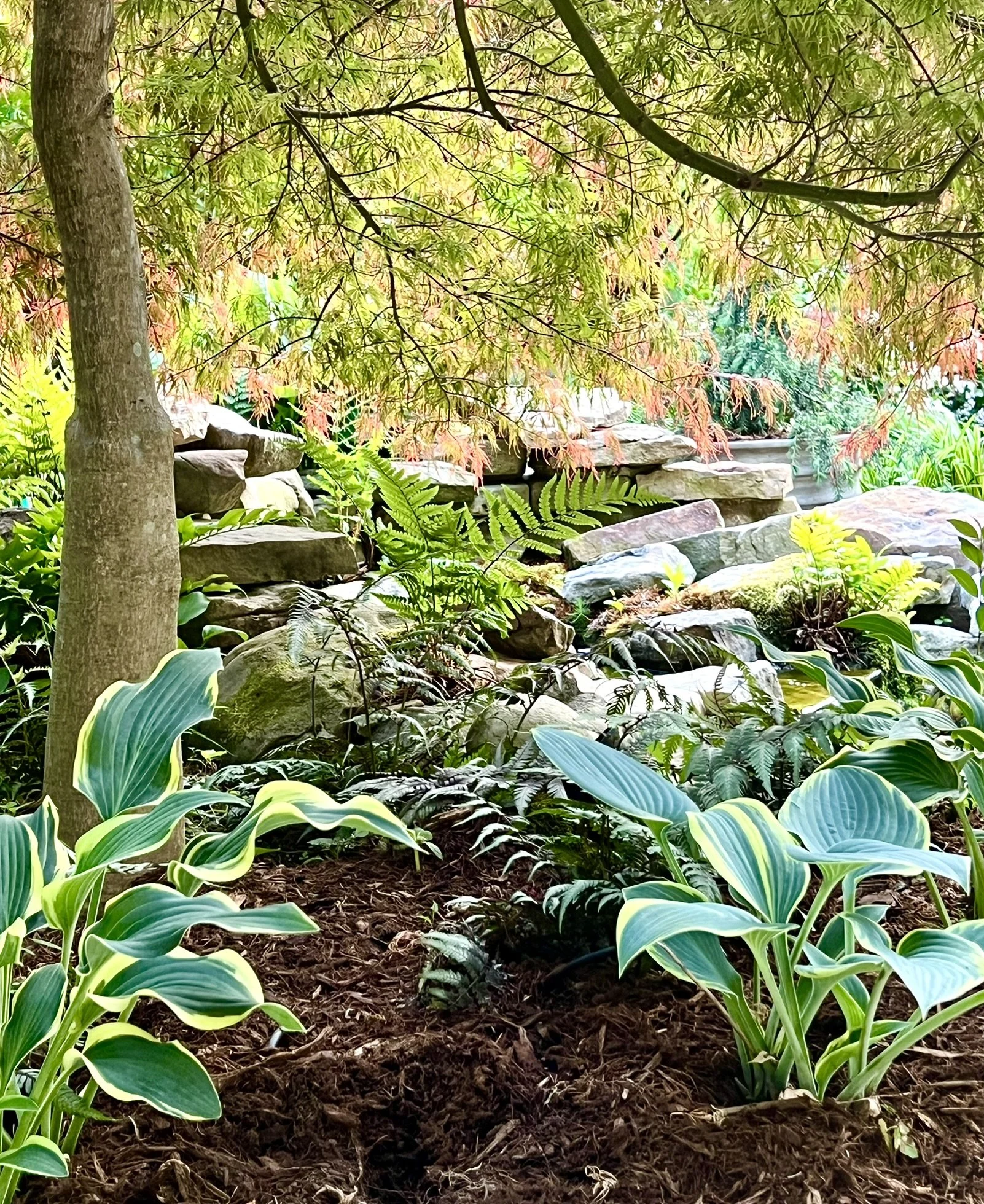
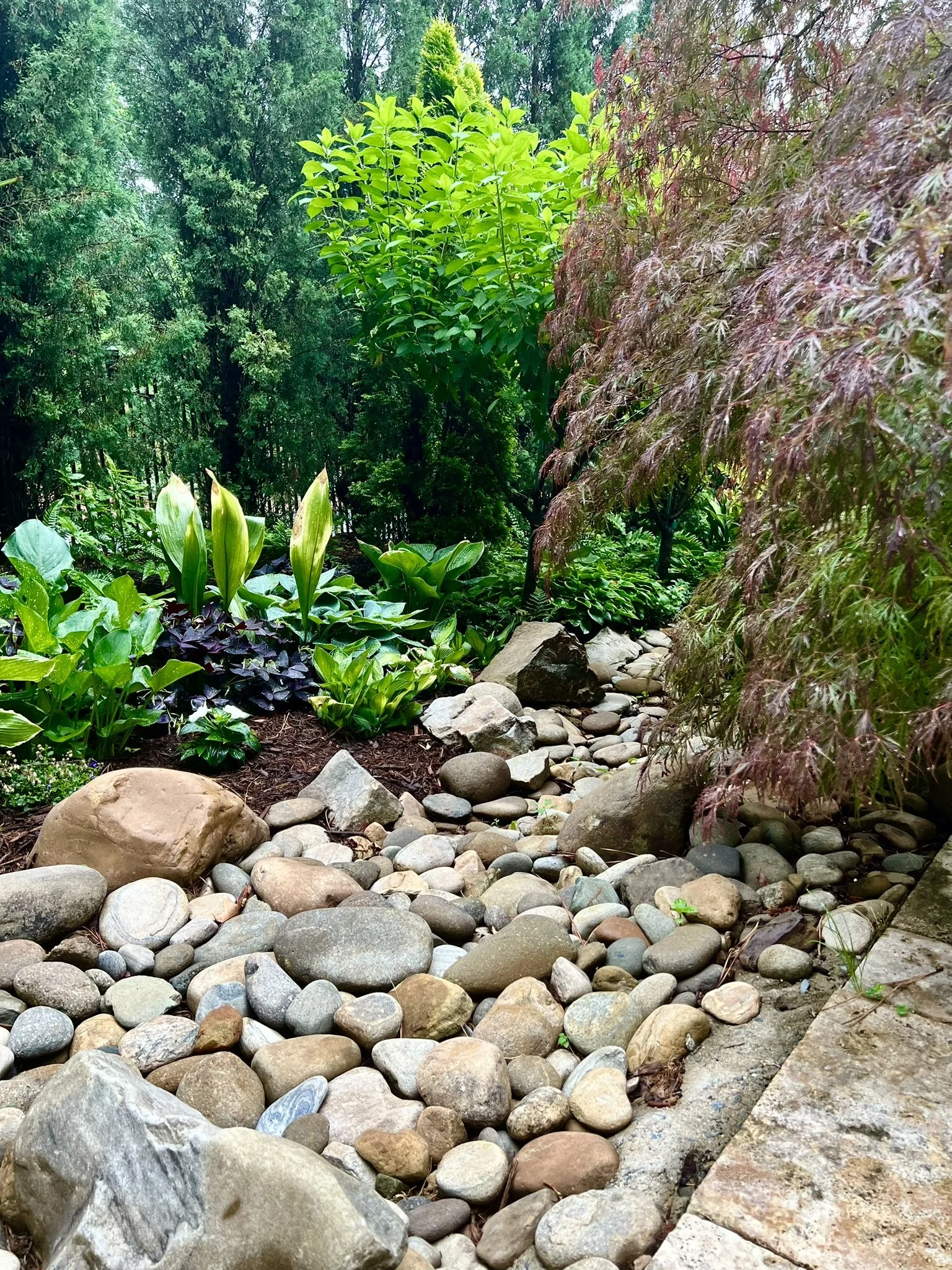
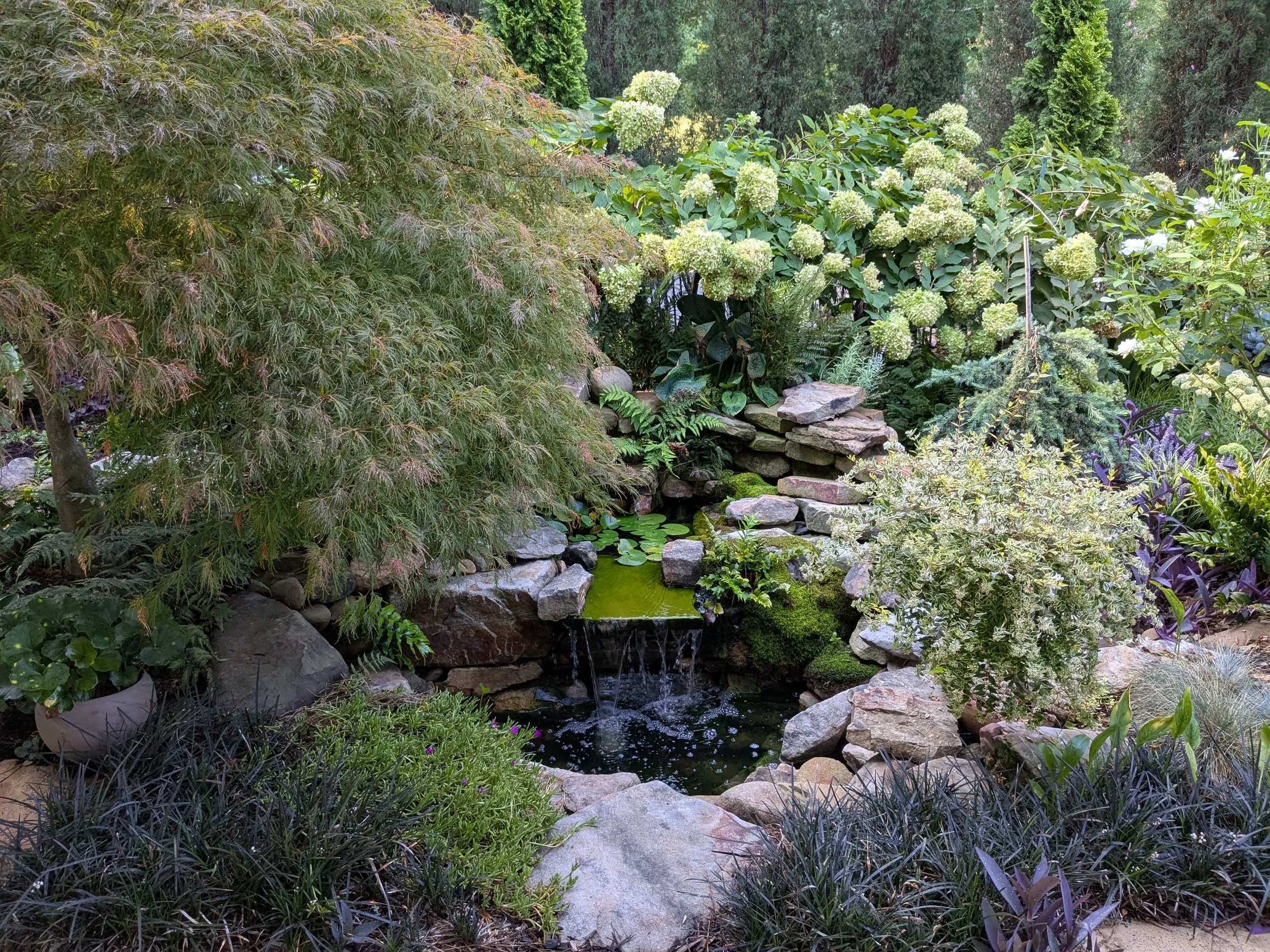
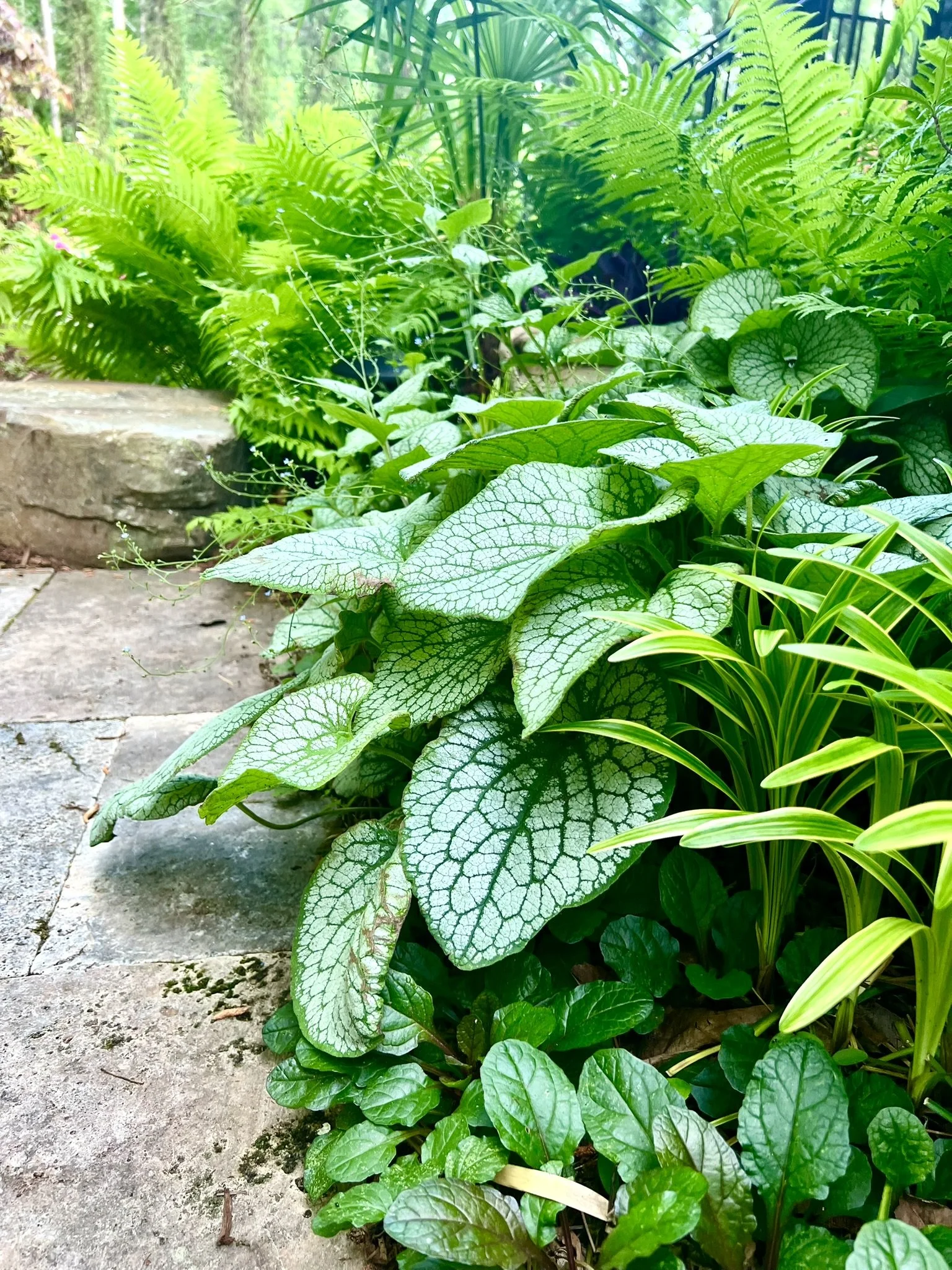
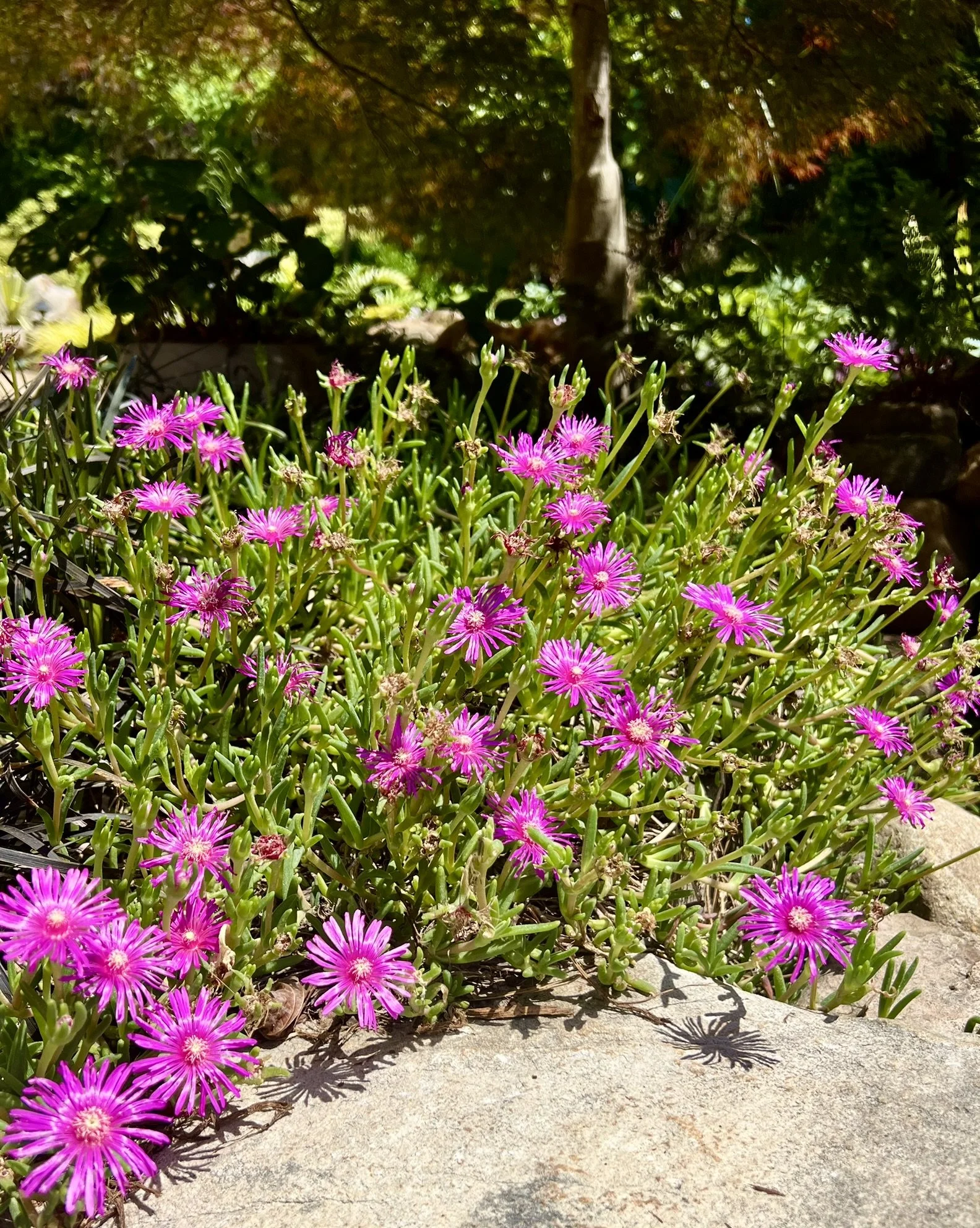
Flowers come and go, so I leaned on leaves. Japanese maples in burgundy, copper, and deep green stand with sculptural blue trees, some twisted and some upright, all rising over hostas, ferns, and grasses. A dry creek of river cobbles winds through the beds, edged in chartreuse sedum, moss, black mondo, and blue fescue. Magenta ice plant tumbles over a sun-warmed boulder toward a tiered stone fountain, backed by a wall of tree hydrangeas. Catmint softens the borders in a lavender haze. I kept the palette to mostly cool purples and blues because they recede, a little trick that makes the garden feel bigger than it is.
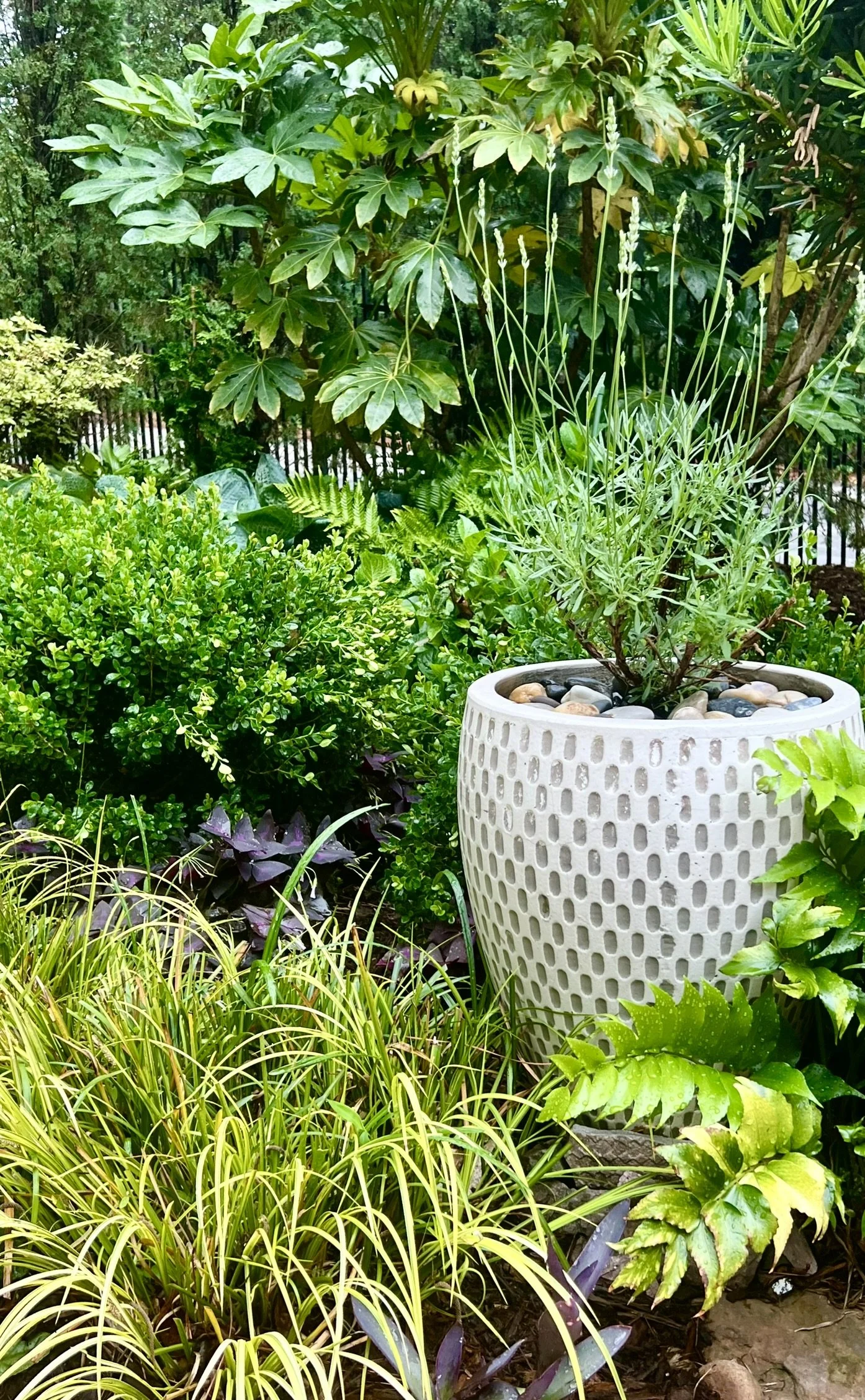
Tucked throughout are pots of small cypress, lavender, and thyme (brush past them and you'll catch the scent), along with stone vessels holding still water.
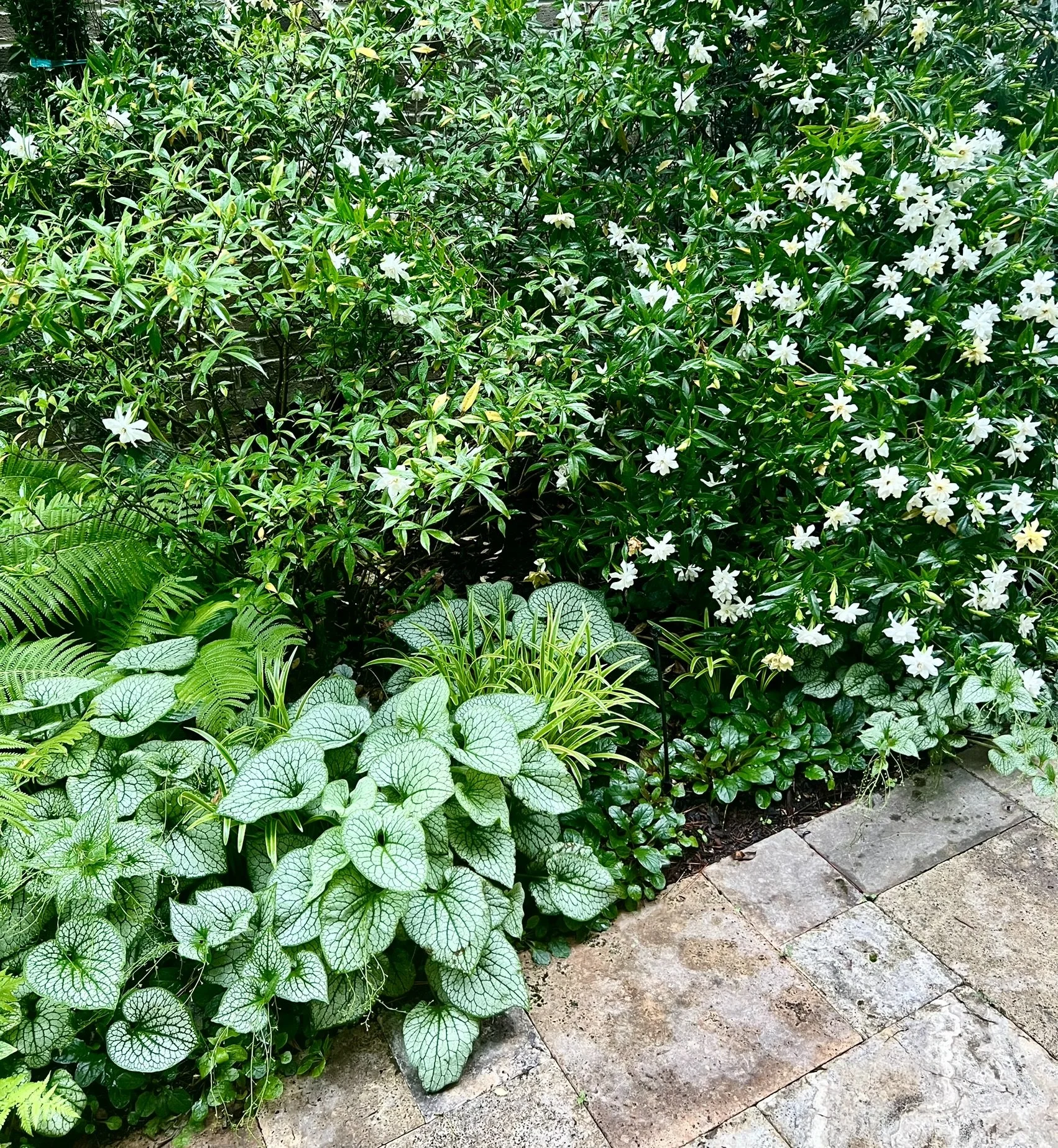
My favorite time, though, is after dark. The white blooms and chartreuse foliage seem to glow once the sun goes down, and the whole place becomes a moon garden. That's when we sit out with a glass of wine and remember why it started.
#3 Collector's Corner
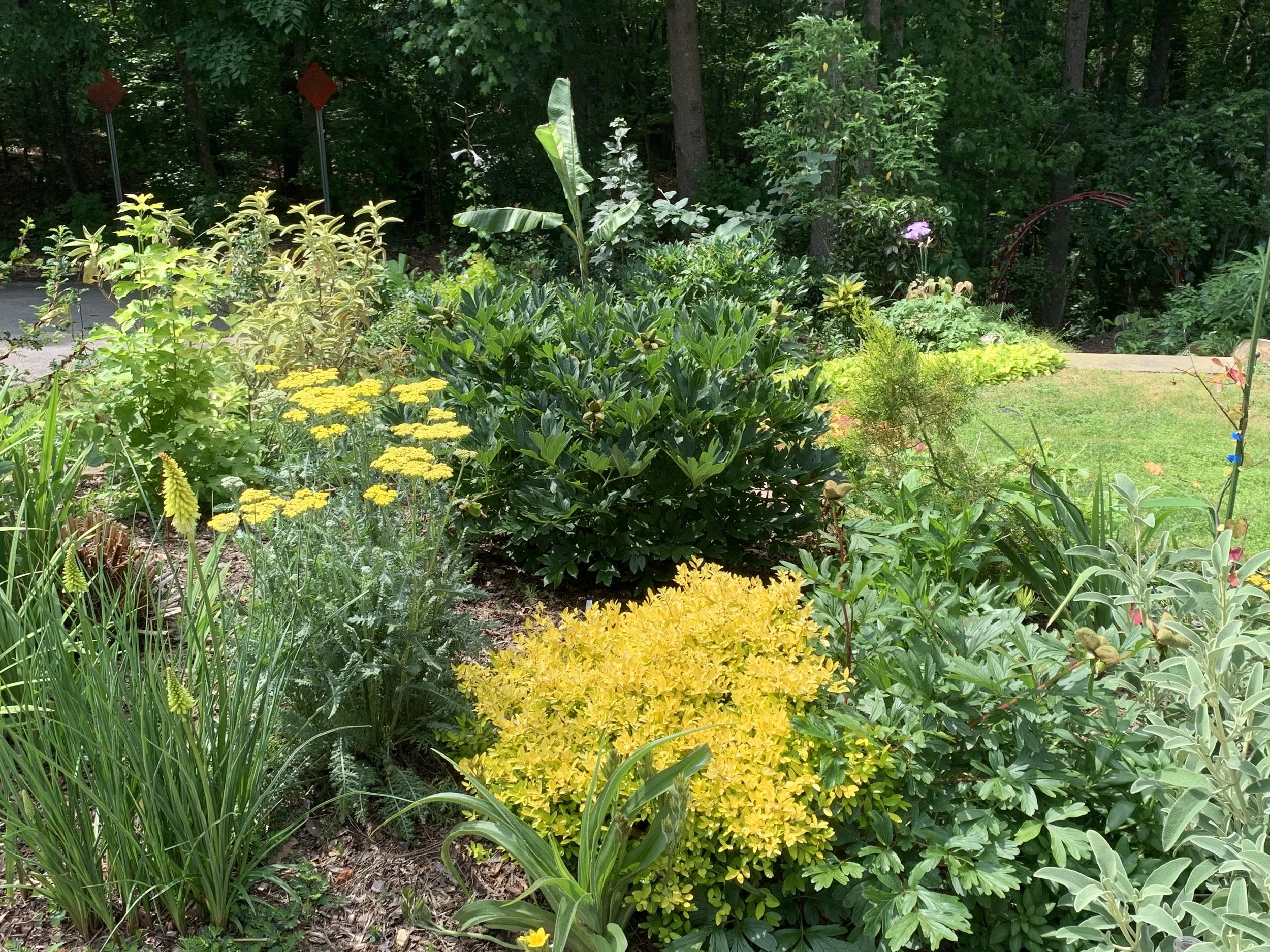
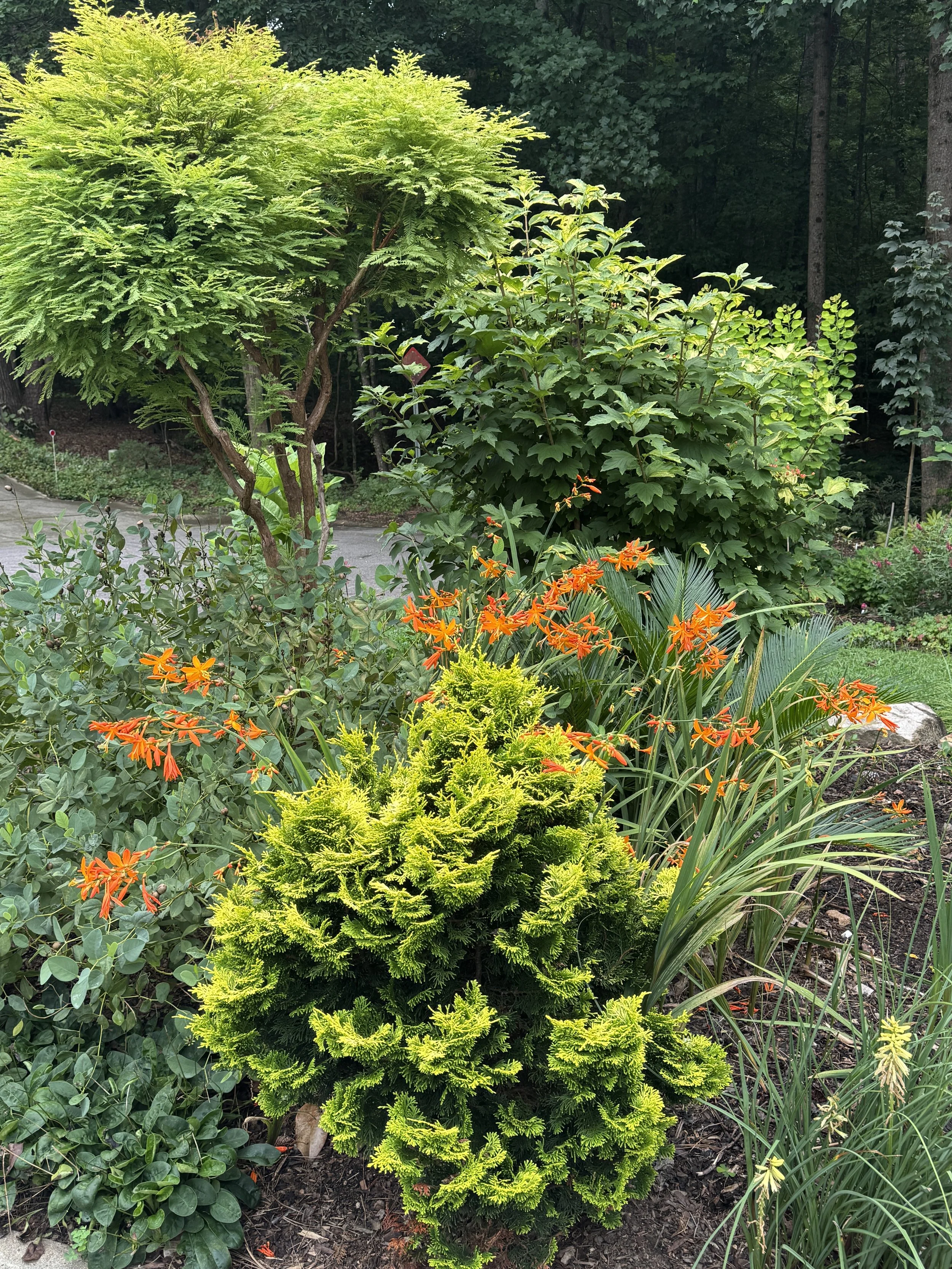
This is a plant lover's garden filled with rare and unusual specimens from around the world. Full sun beds in the front and a woodland garden around the back and side of the garden give plenty of space to keep experimenting and pushing zones. The garden started nearly 10 years ago but constant edits and additions keep the garden looking young.
#4 Beyond The Bloom
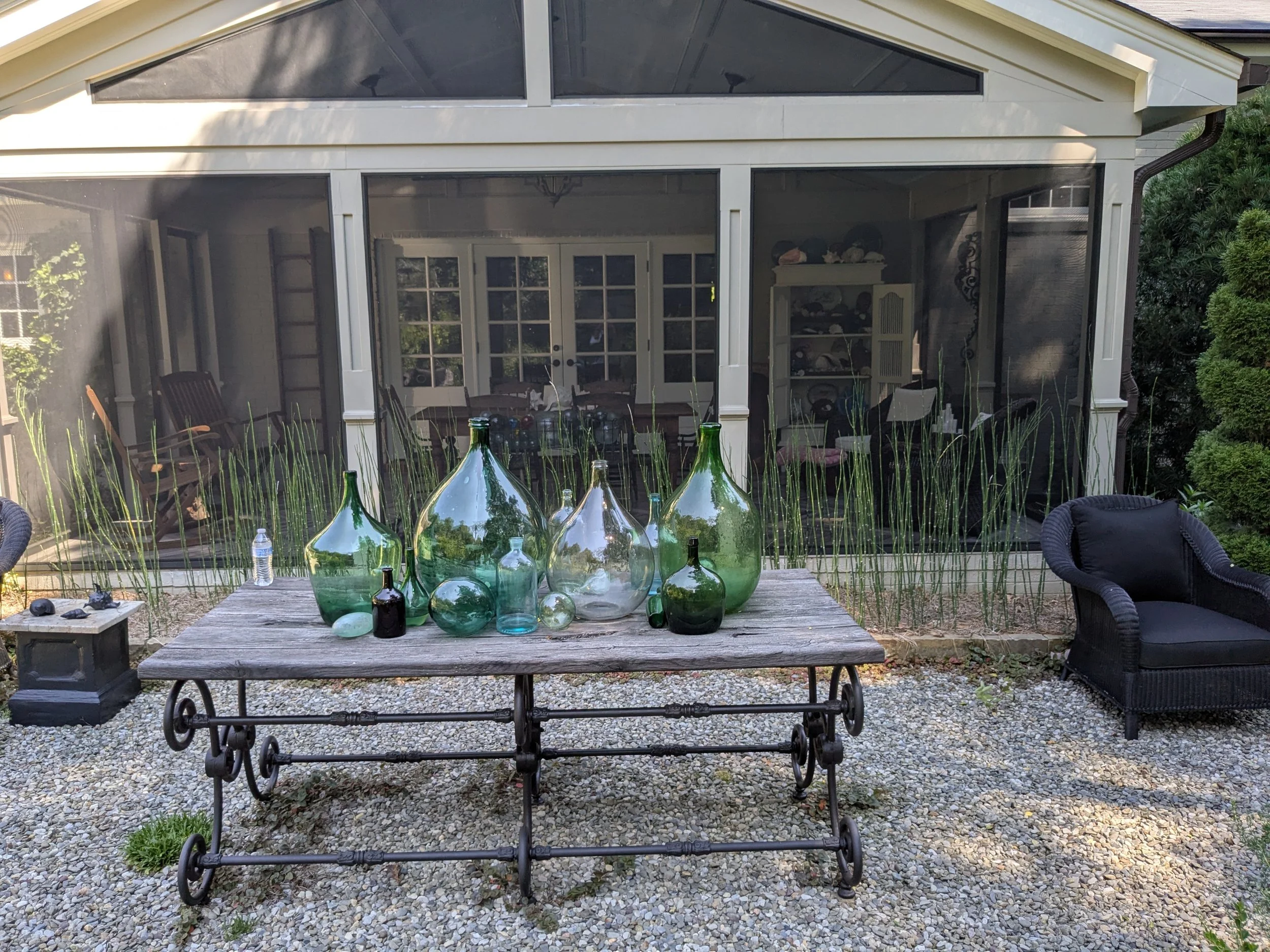
Beyond the Bloom is a thoughtfully designed sanctuary inspired by a passion for woody ornamentals.
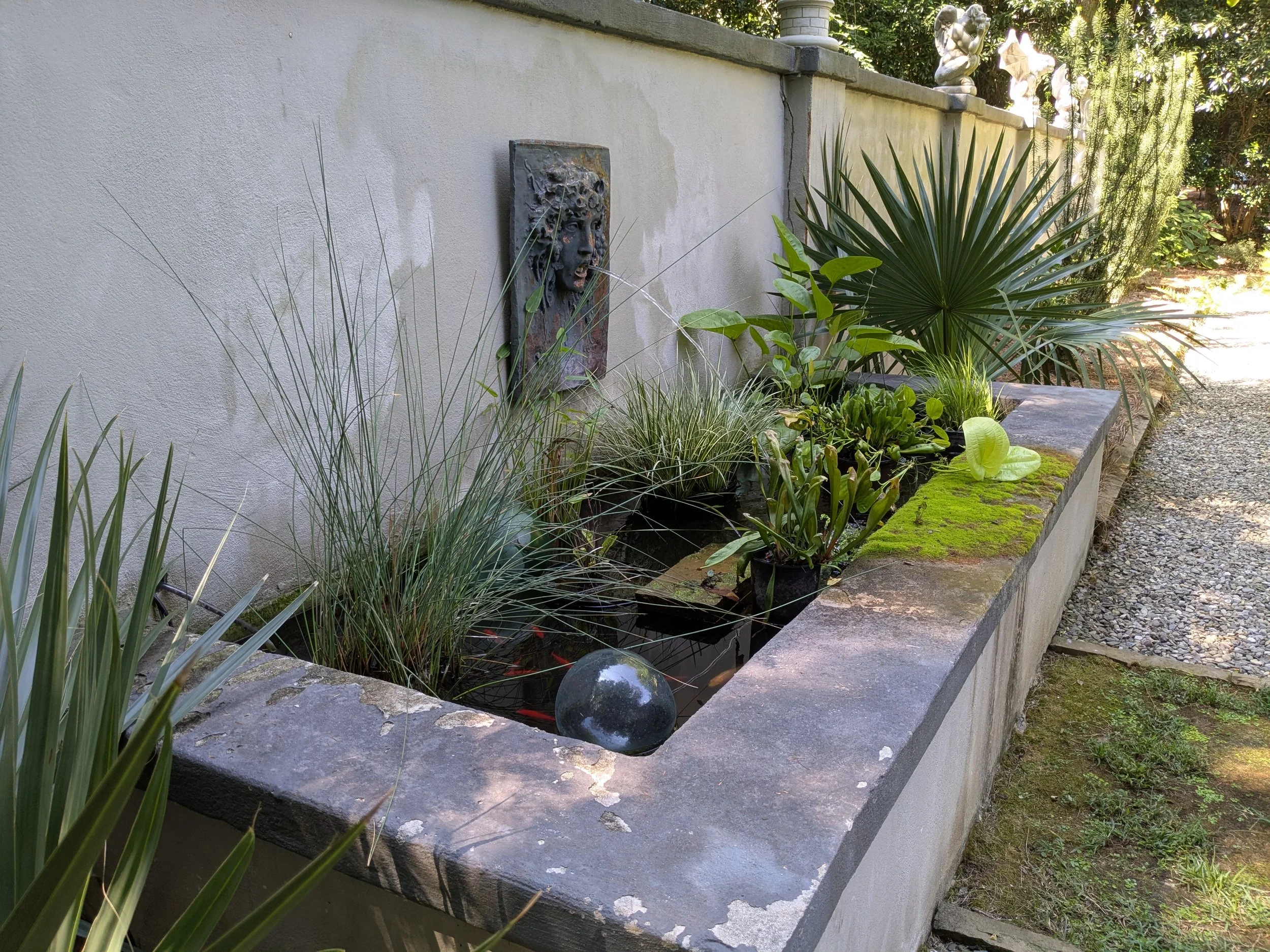
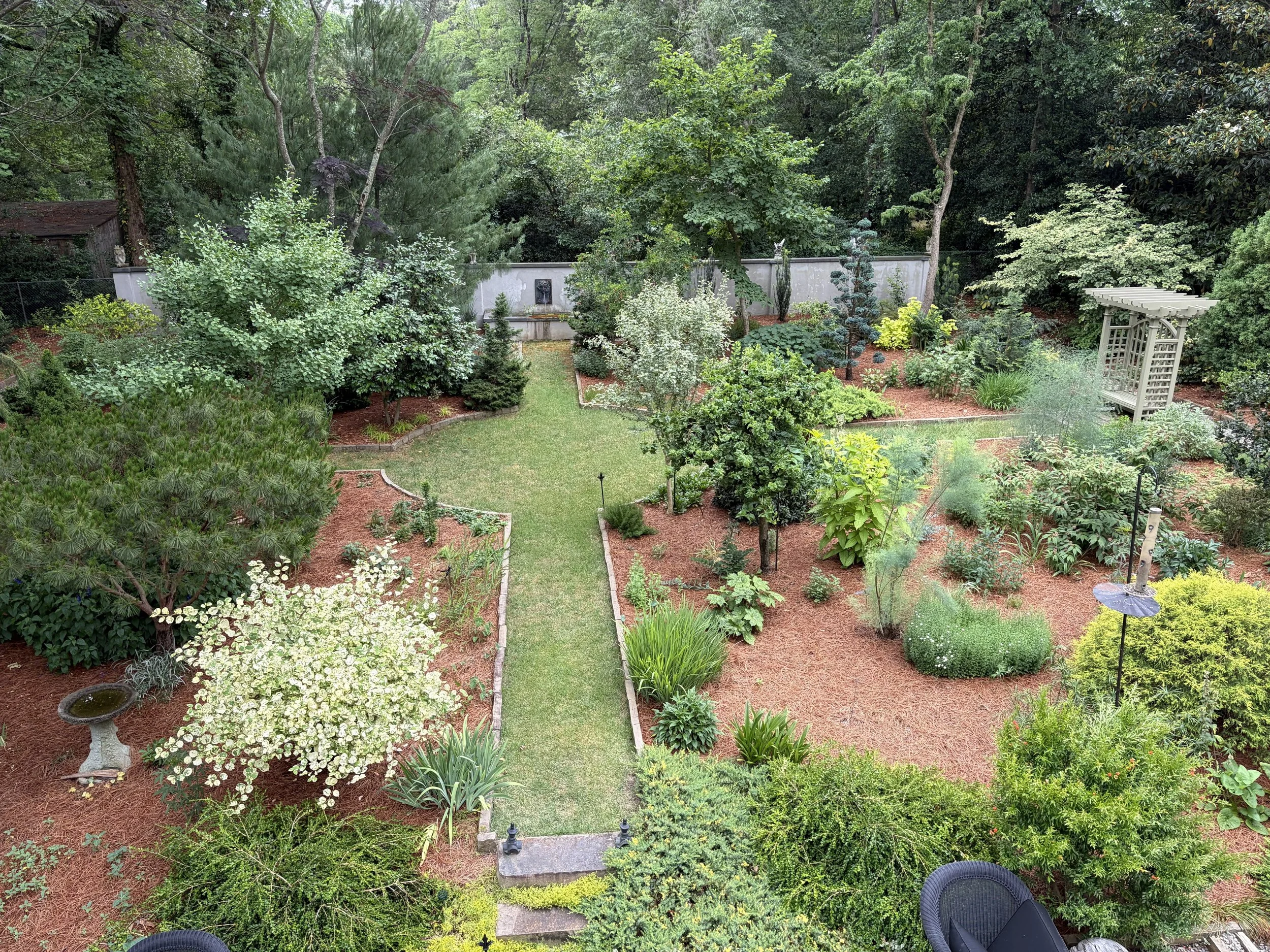
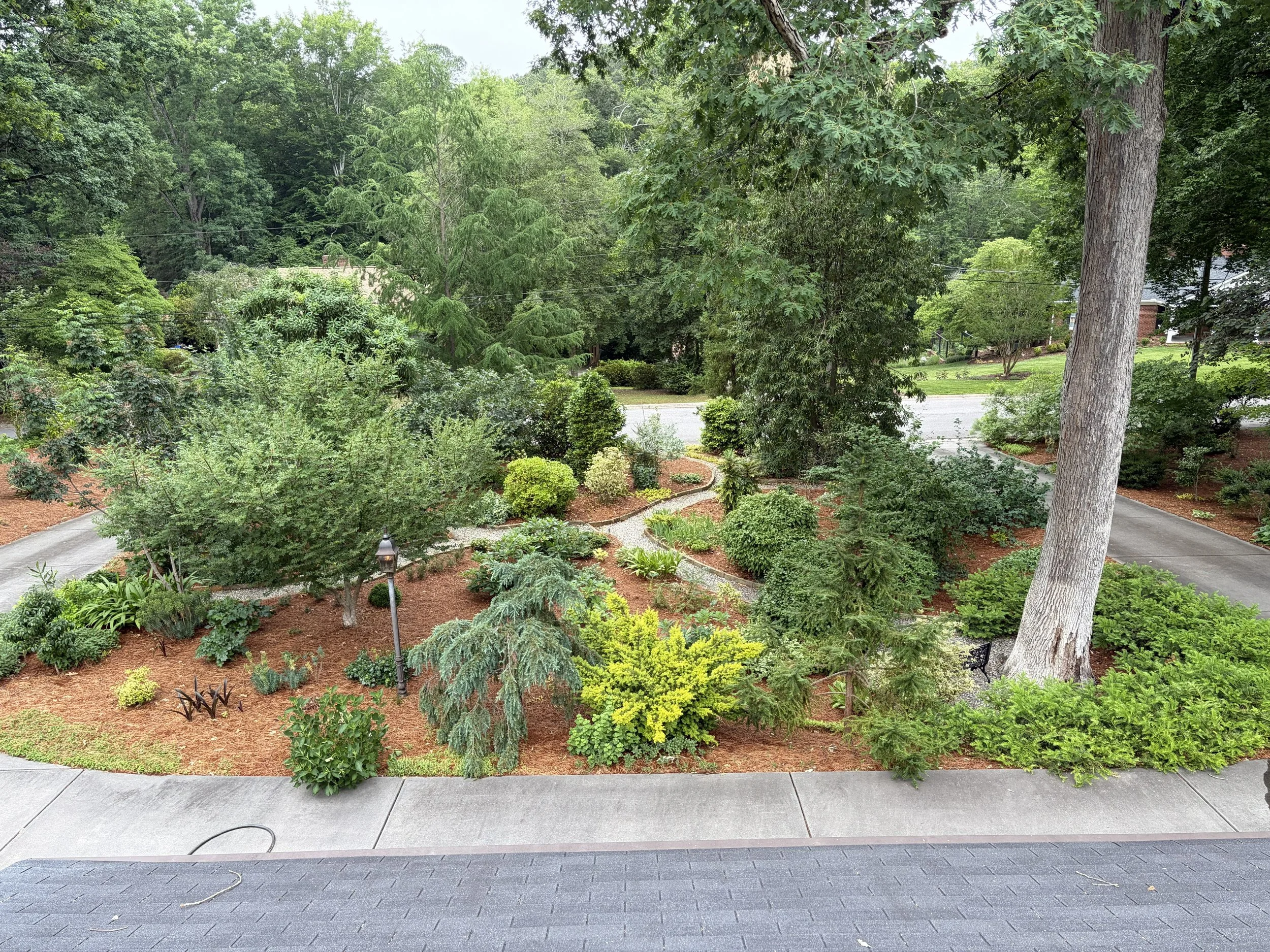
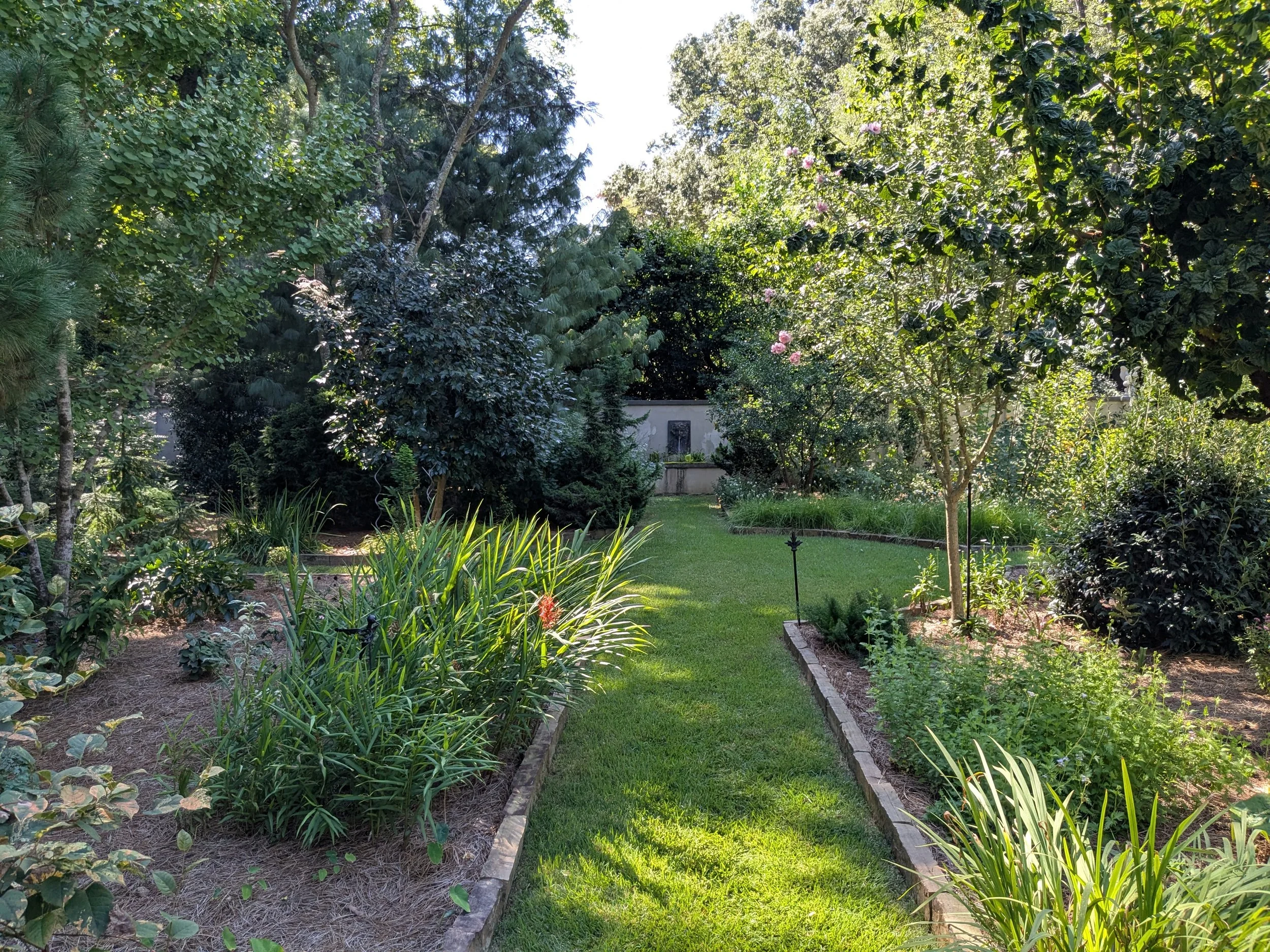
Established in 2008, the garden balances the graceful curves of the shaded front garden with the formal central axis of the rear garden, where the lawn leads the eye toward a goldfish-filled cistern, while paired arbor benches provide places for quiet reflection.
Handcrafted stone edging and chalet river-stone pathways provide structure while evoking the character of a natural dry creek bed, guiding seasonal rainfall through the landscape. An evolving collection of rare and unusual ornamentals ensures year-round interest.
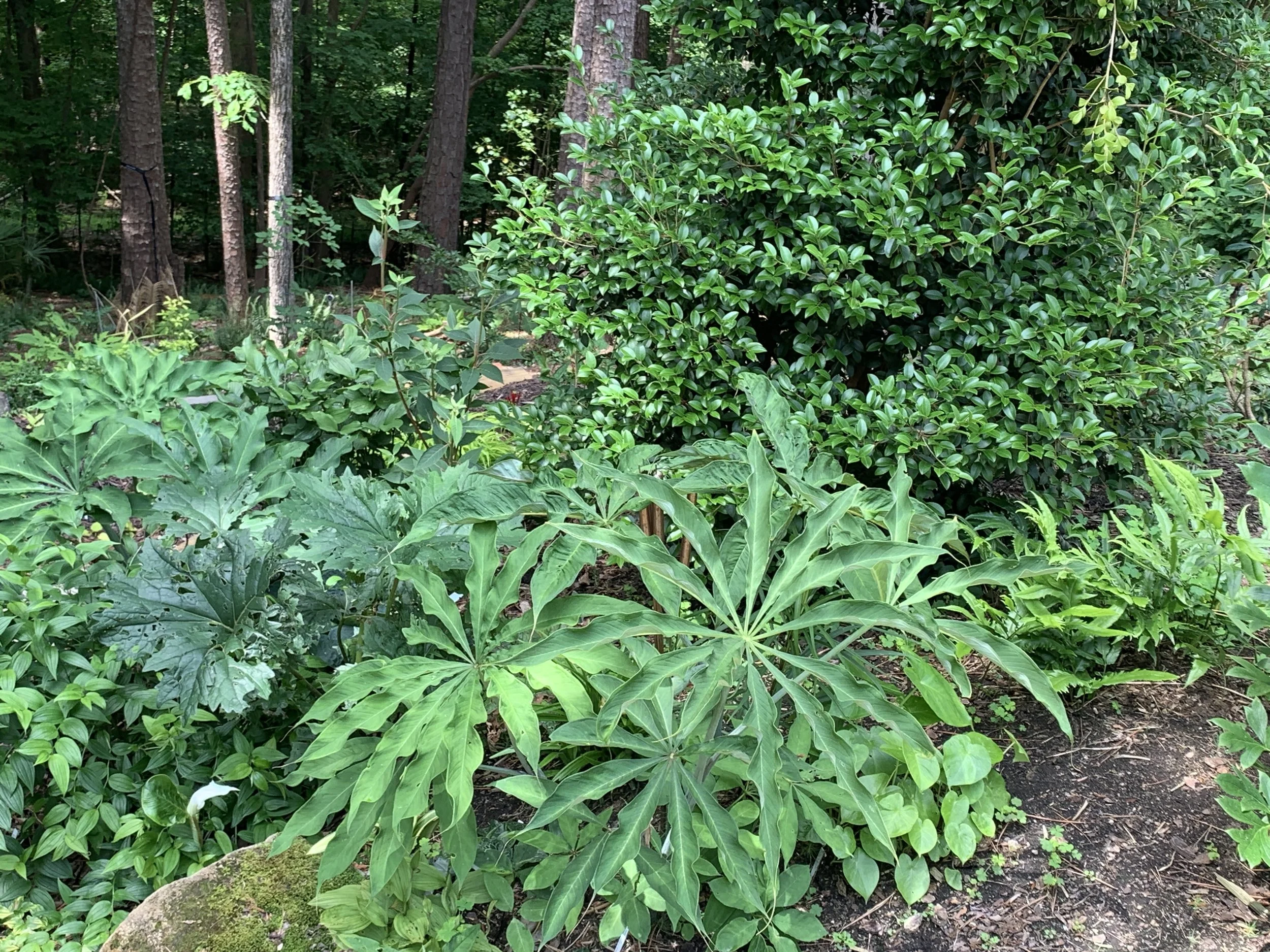
With an emphasis on foliage, form, and texture rather than floral display, the garden celebrates the artistry of leaves. Distinctive shapes, colors, and textures create depth, contrast, and visual intrigue throughout the seasons.
#5 Tranquility Garden
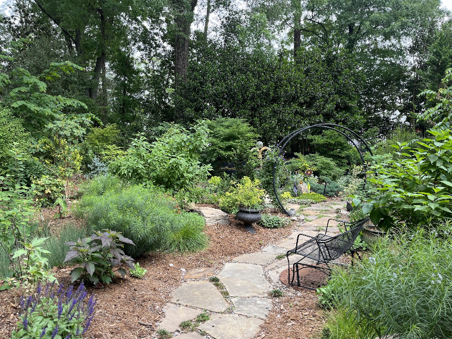
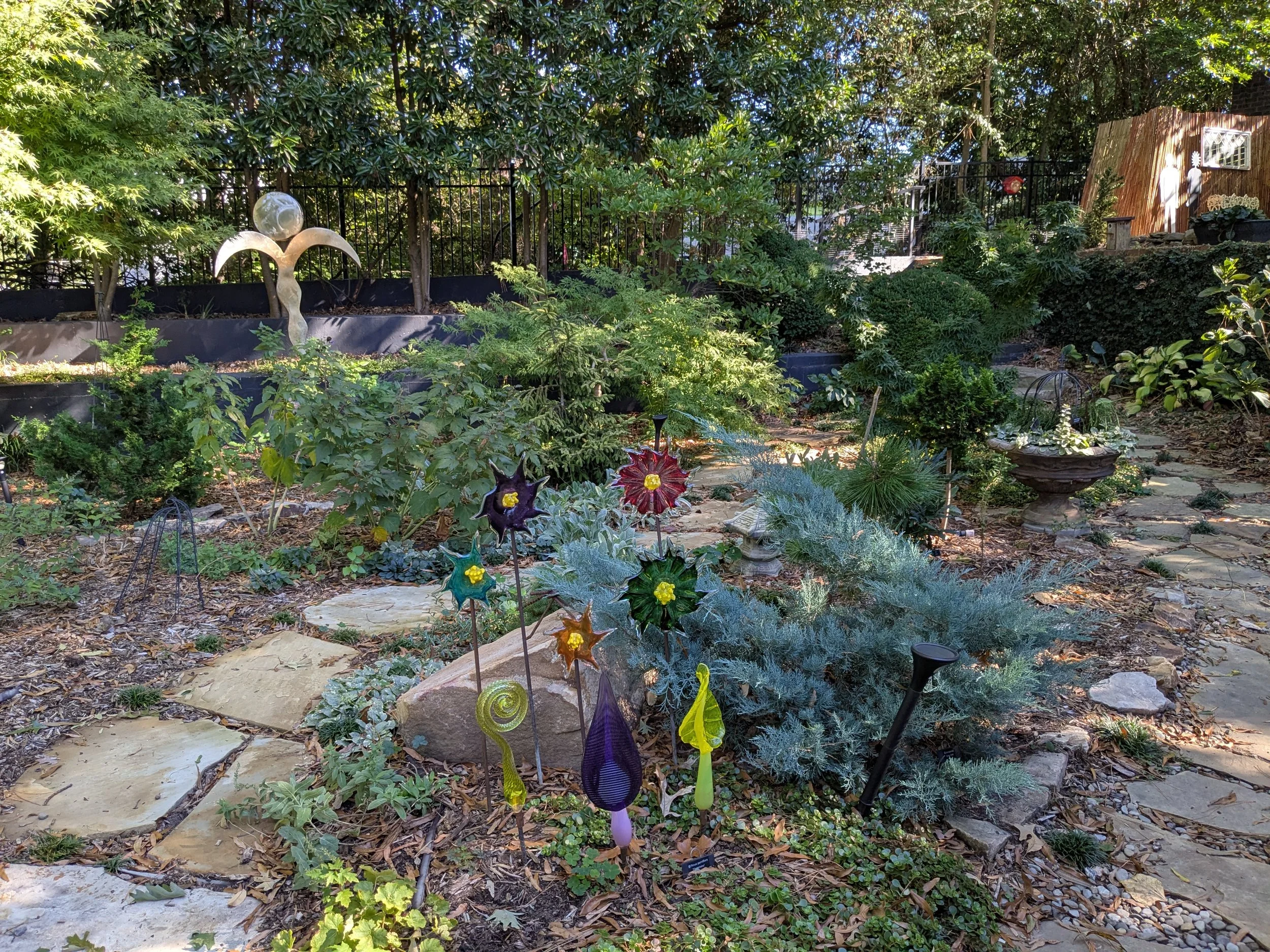
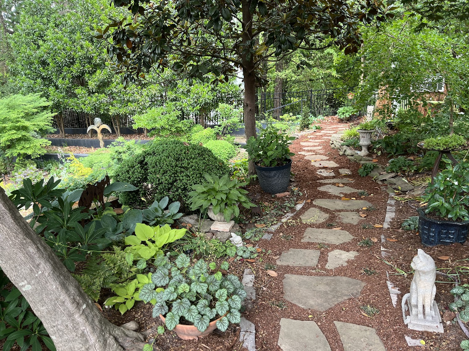
The Tranquility Garden has been a work in progress for twenty two years and is situated on a 1/3 acre urban lot in the heart of Raleigh. You enter the garden from the front walkway and follow a stone path to the view the different garden rooms. The garden has been described as whimsical, eclectic, and meditative. There are a number of places to sit and enjoy being in nature.
The garden has many conifers, Japanese maples, shrubs, shade loving and drought tolerant perennials, and annuals to ensure that there is something to see at any season of the year. In early May, the poppies are in bloom and bring a whimsical touch to the garden. The gardener partnered with the Raleigh Rainwater Rewards program and established a rain garden to capture the runoff from the roof of the house. The rain garden is planted with native plants and grasses and is a pollinator magnet.
#6 SNUG: Smallish Native Urban Garden
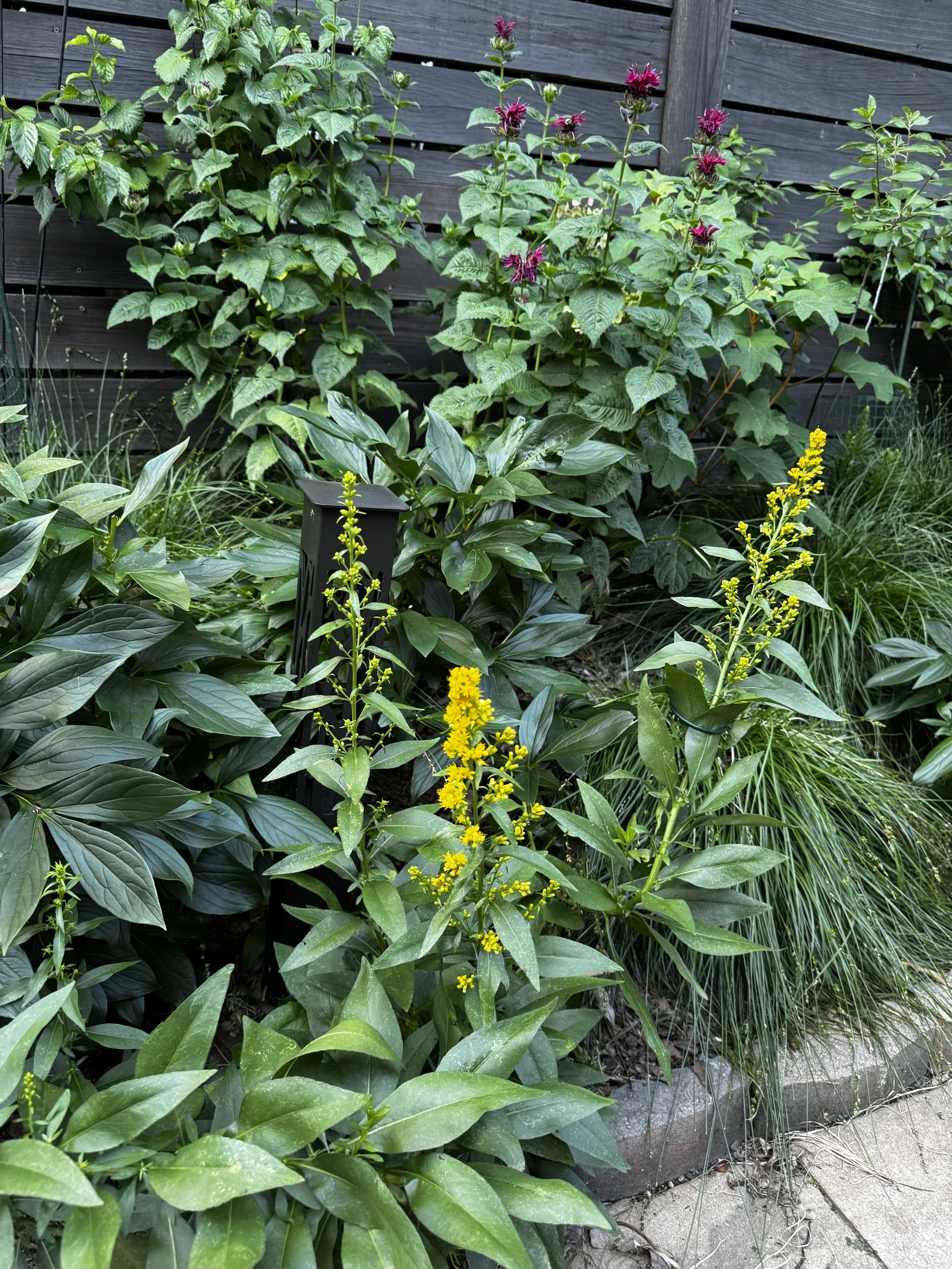
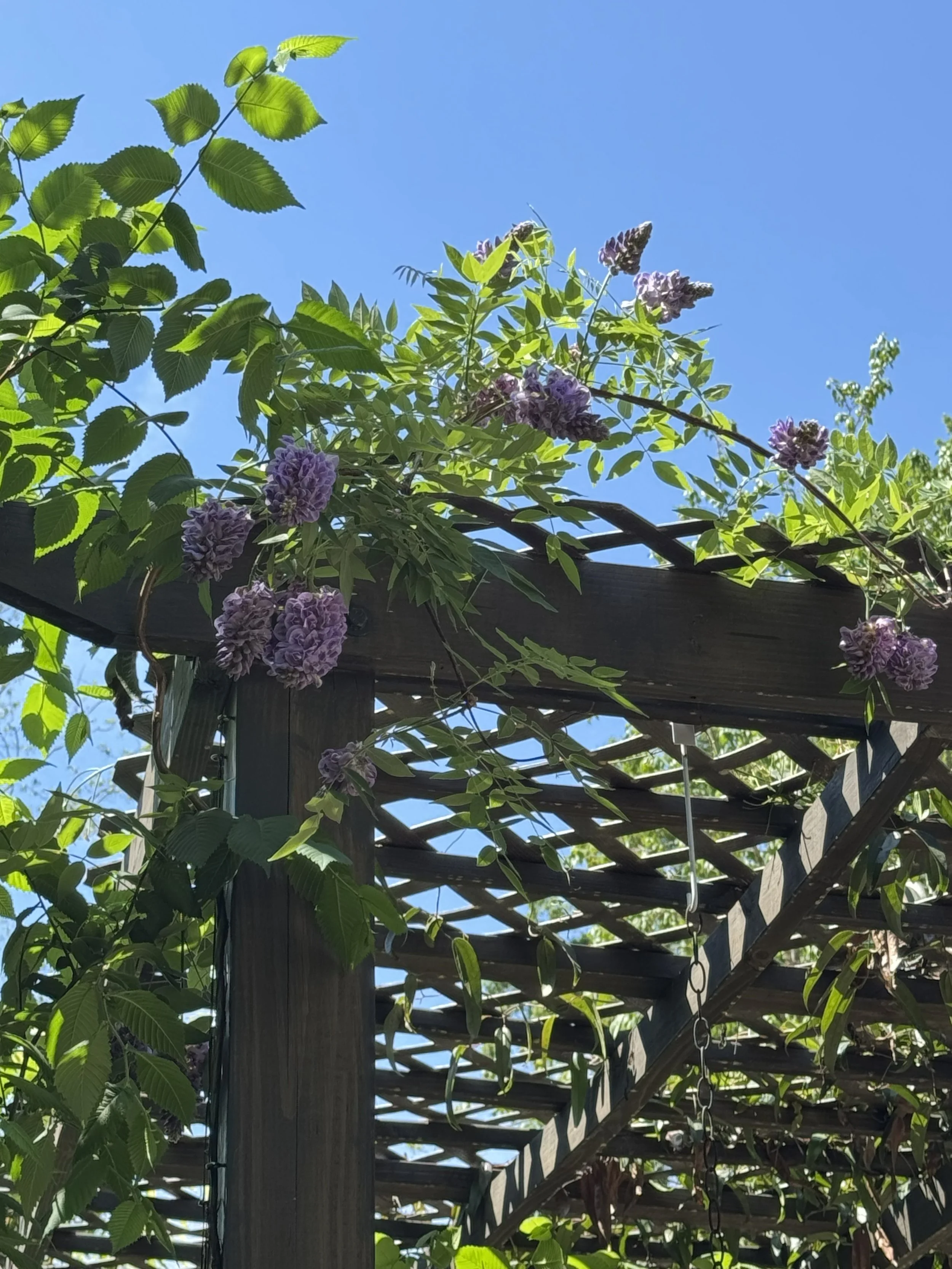
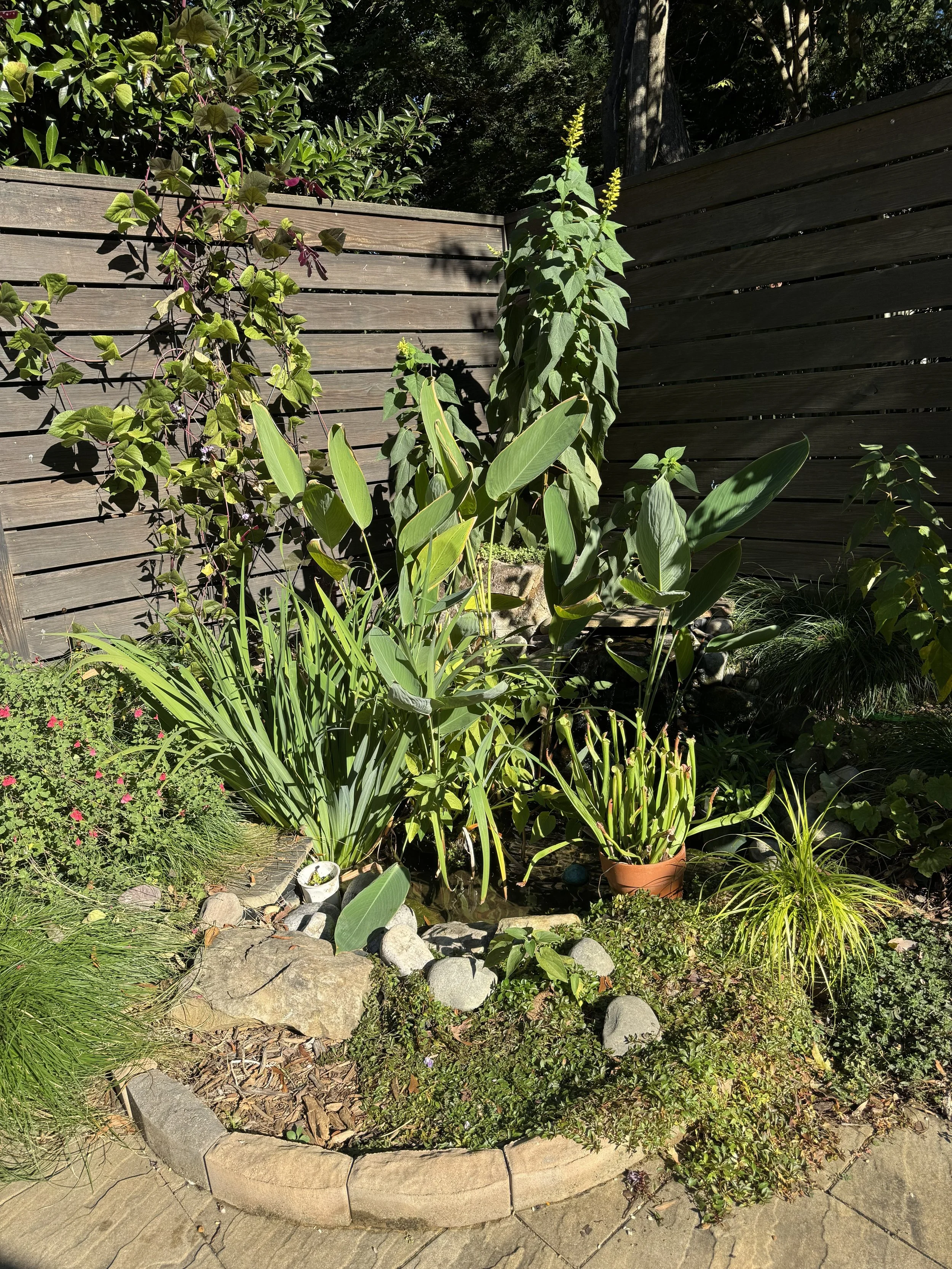
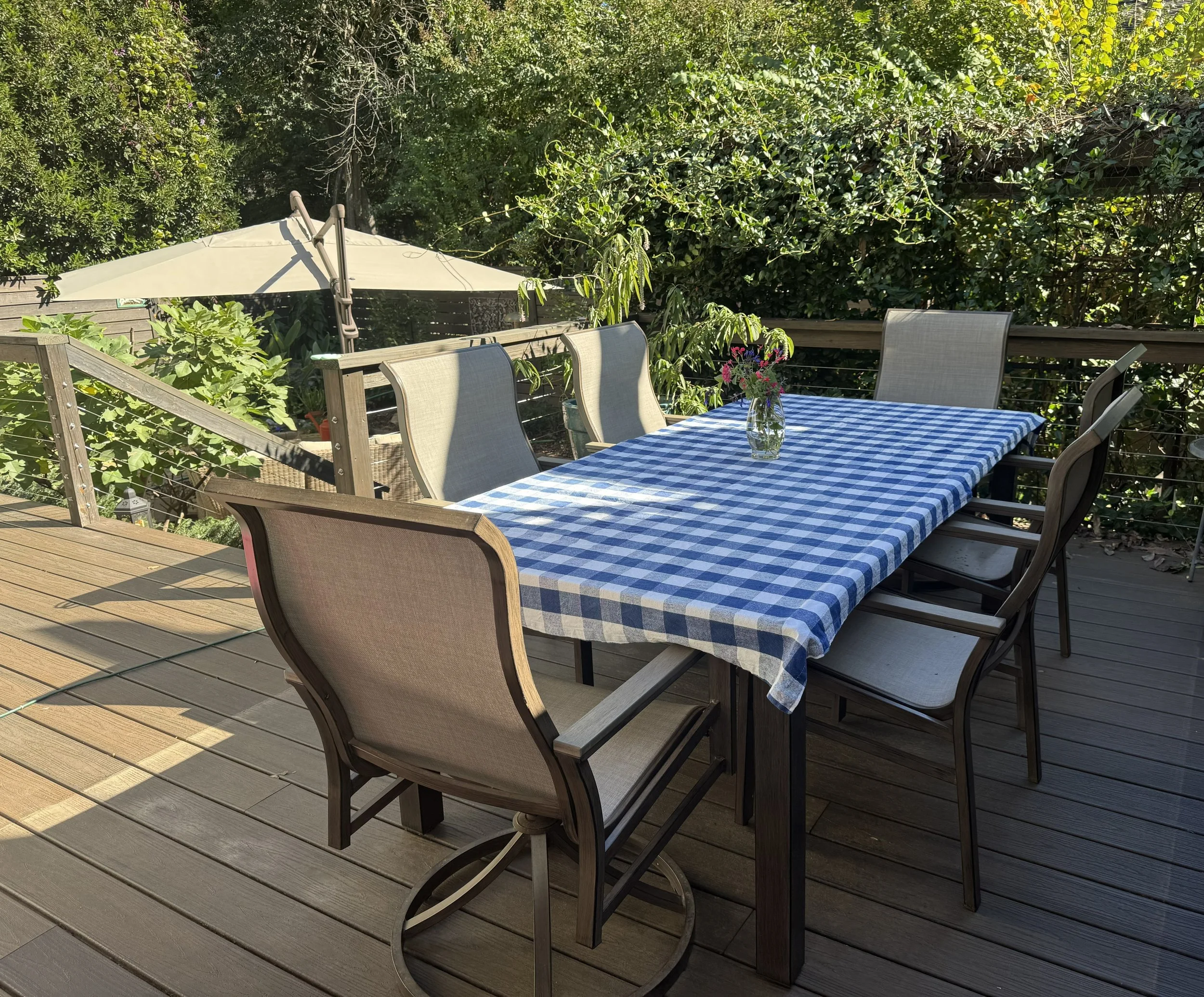
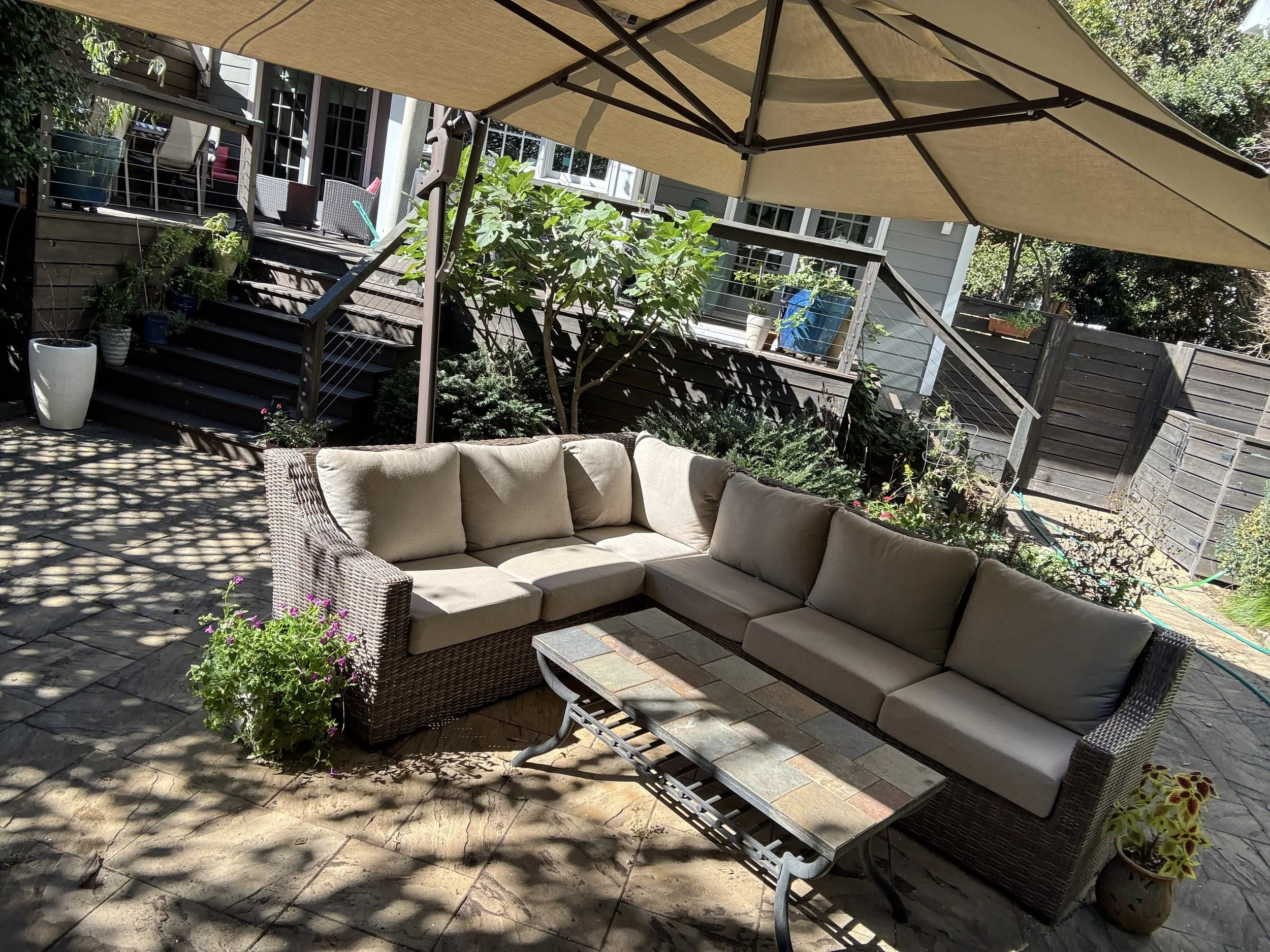
Step inside this hidden gem in the middle of Five Points and only steps away from the busy Glenwood Avenue corridor. Only three years in the making, the owners started with a blank slate of camelias, crepe myrtles and sedges. The hardscaping was already there; the heat island it had created needed some softening and cooling influences. Bit by bit, non-natives were removed to make way for overplantings of natives and pollinator plants. Shade structures including a multi-vined trellis were added. Multiple rain barrels provide water throughout the year. The owners added a pond, native trees, bulbs, and native flowers, and continue editing the space as some things respond better than others. The result is a beautiful spot for entertaining as well as a tiny oasis for neighborhood birds, bees, dragonflies, and the occasional raccoon.
#7 Five Points “Yarden”
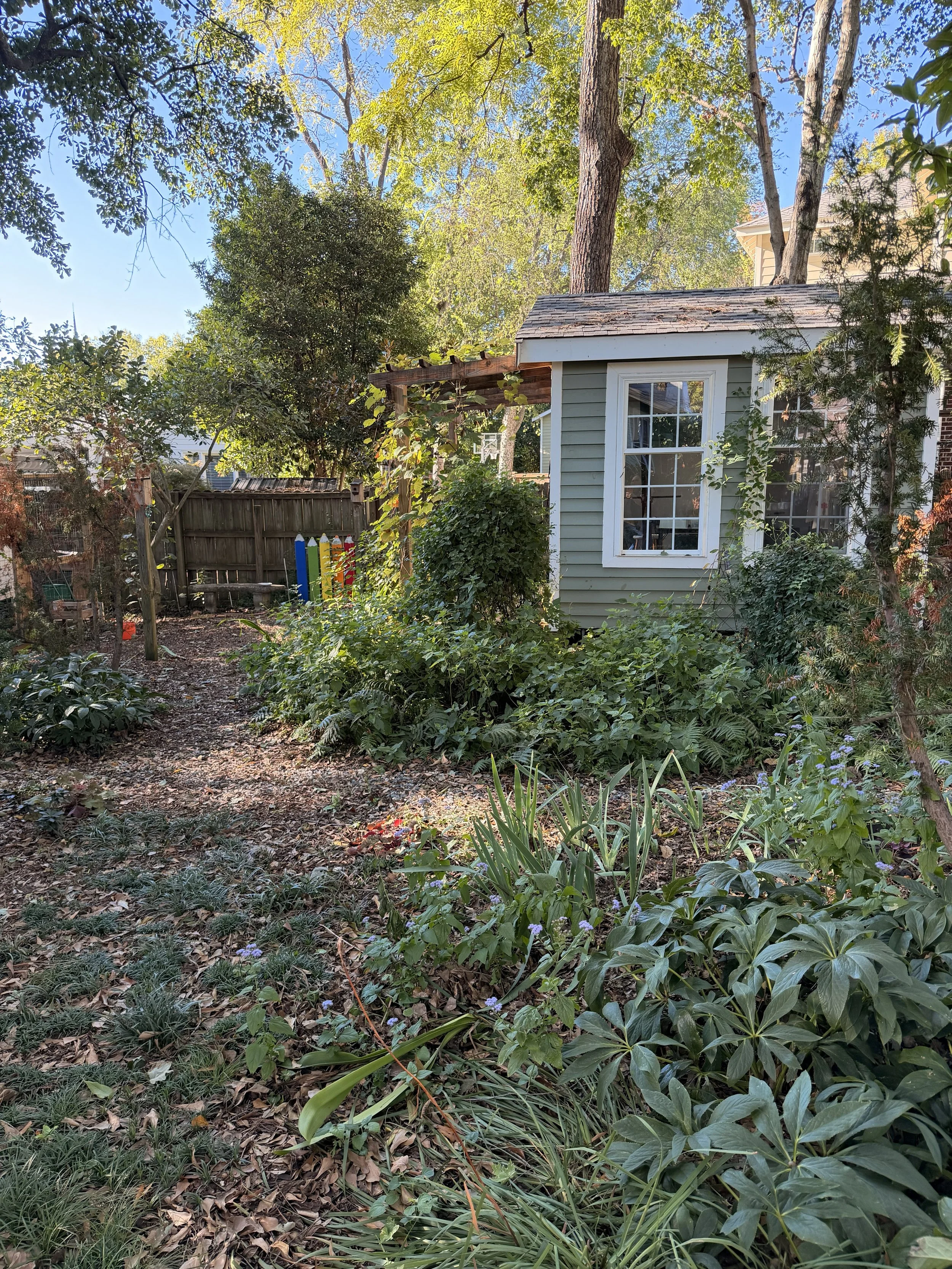
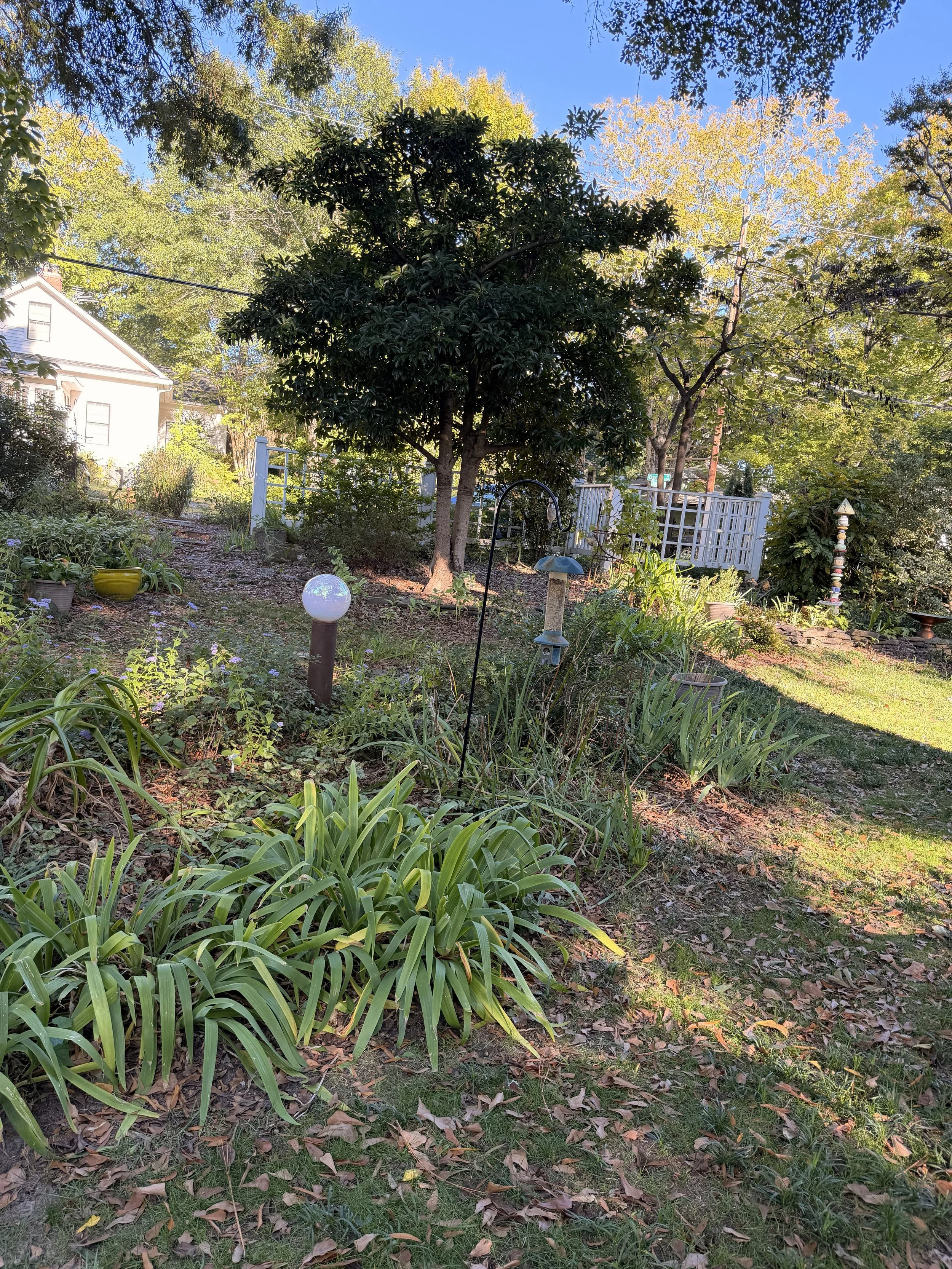
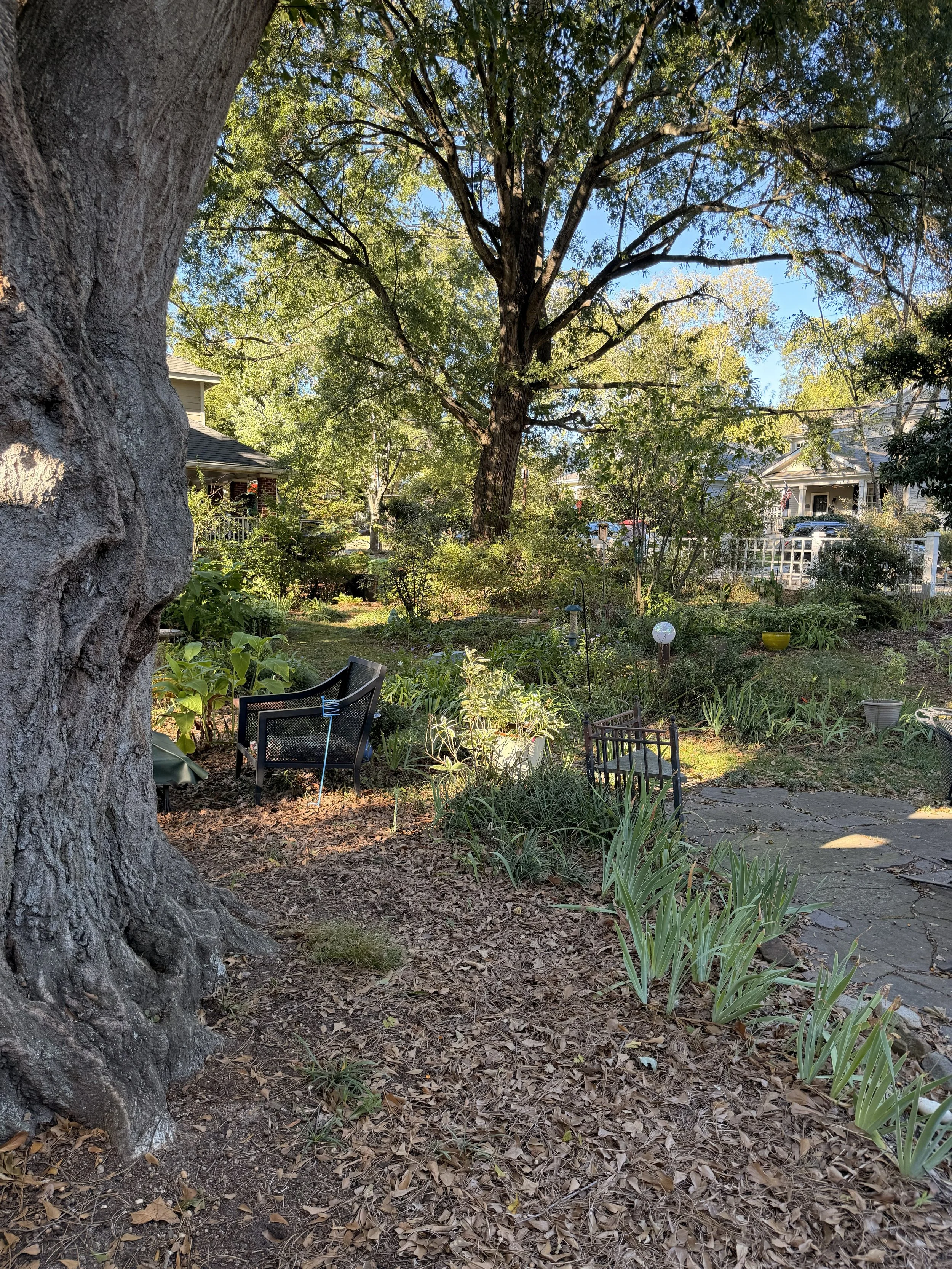
Created in 1996 shortly after Hurricane Fran, this urban yard-garden, or yarden, is arranged in spaces to encourage a stroll through various outdoor rooms. The perimeter of the yarden is defined by fencing, with the lack of gates an invitation to enjoy the plants and hardscapes inside. Three outbuildings house a place for tool storage, an art studio, and a coop for the owner’s chickens. A vintage swing set has been repurposed to support a hammock, owner-created art, and birdfeeders. Nearby, a clothes line is utilized to minimize dryer use. Multiple rain barrels collect water; a compost pile provides garden mulch. Reduced use of turf grass minimizes water use and maintenance. The owner has planted many species of North American native plants, which will be identified throughout the property.
#8 A Little of This, A Little of That
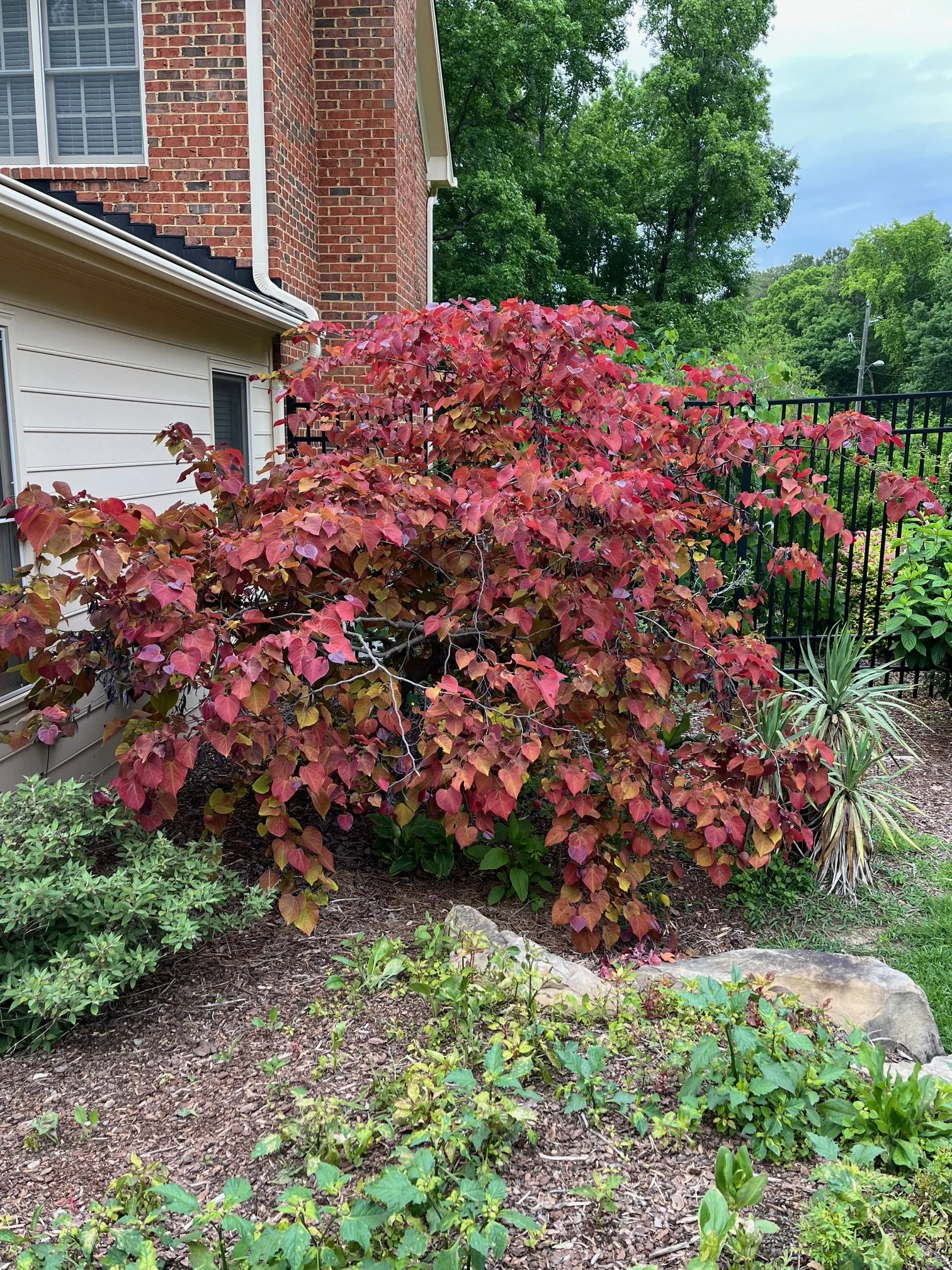
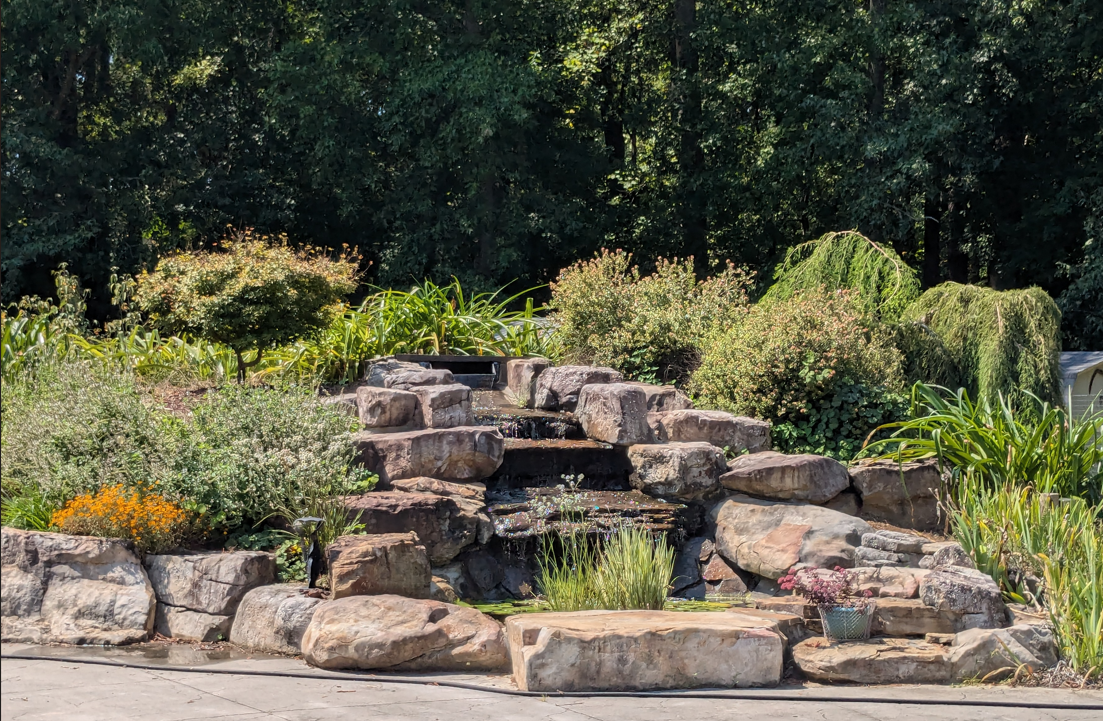
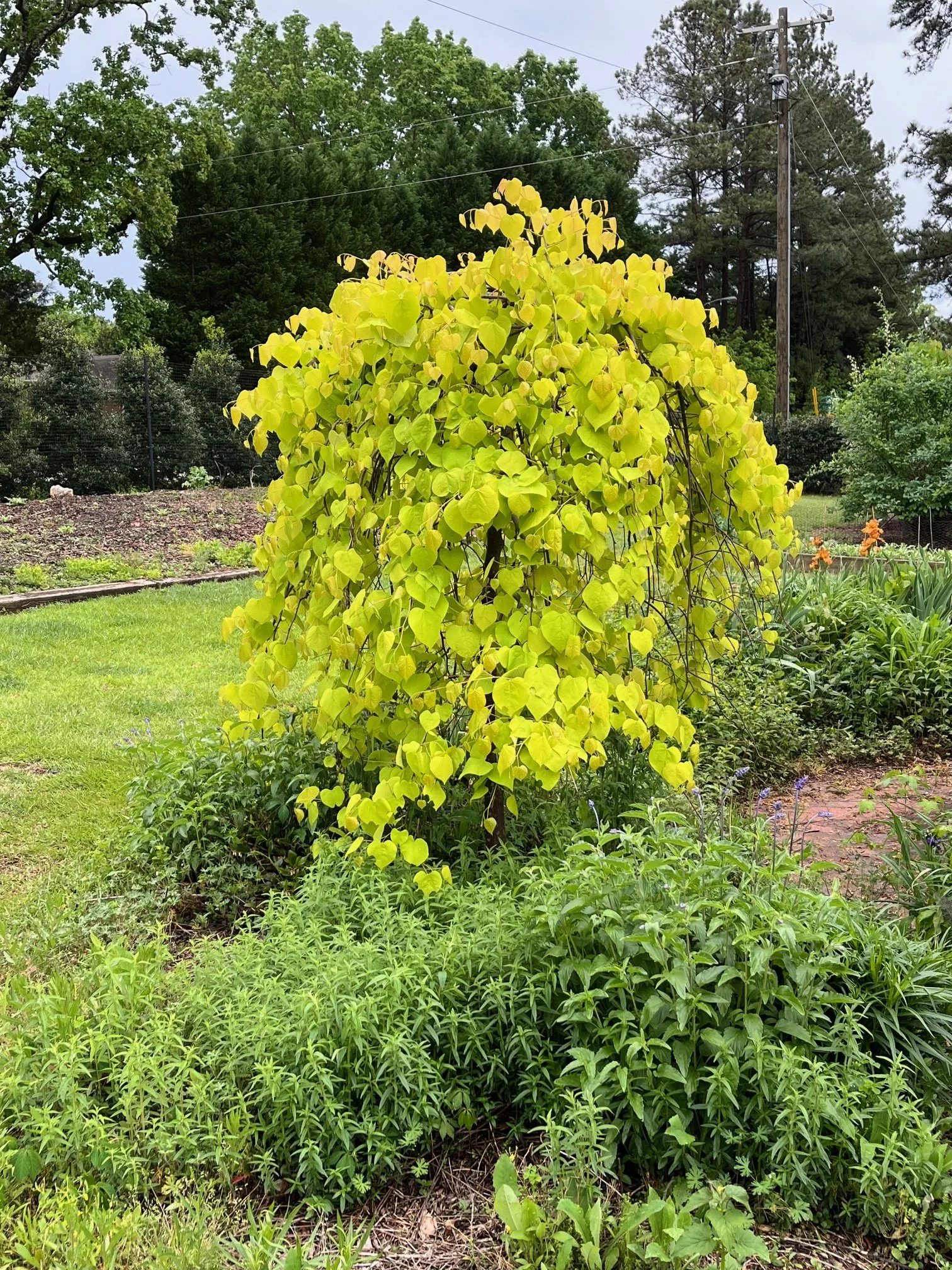
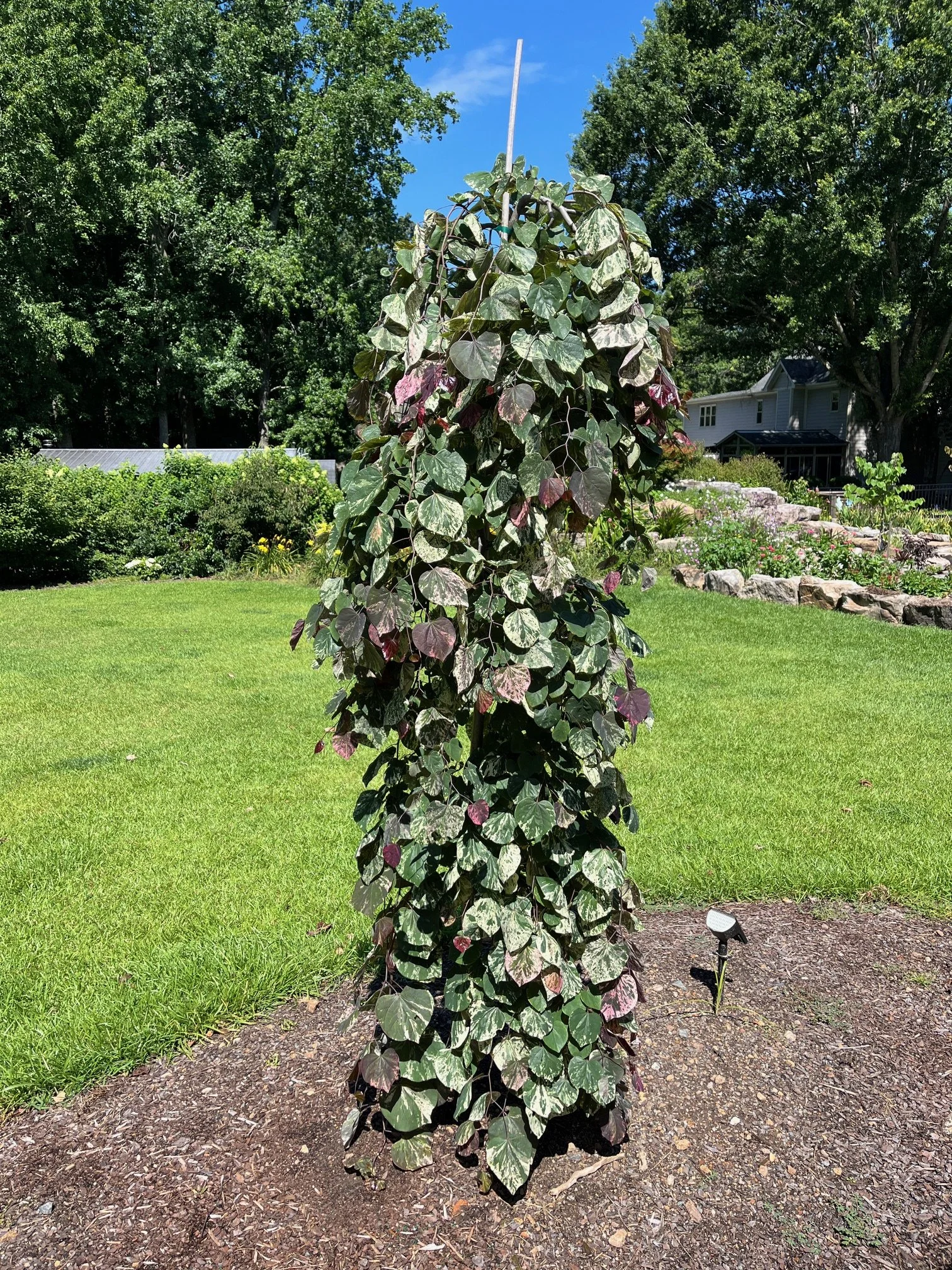
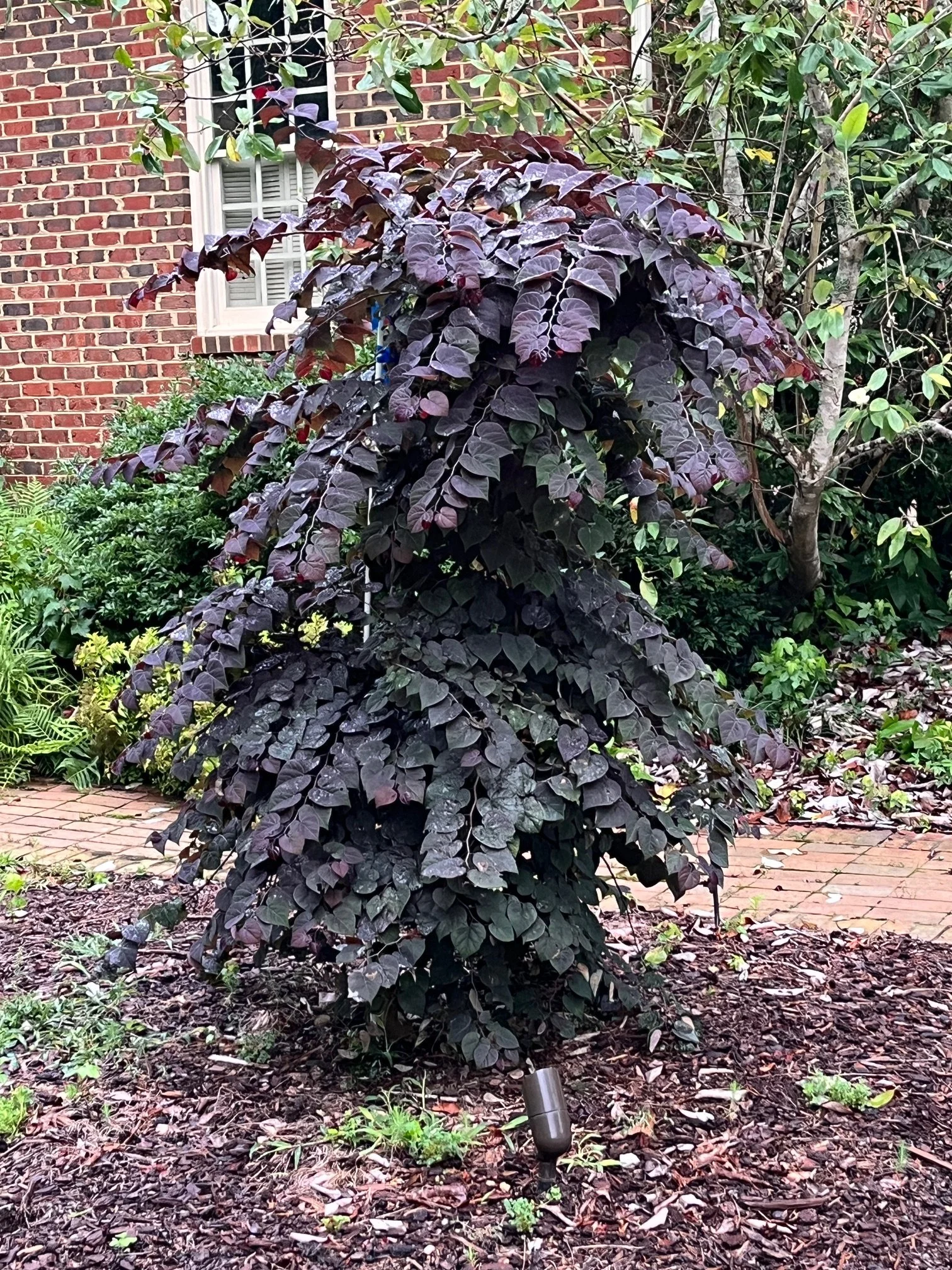
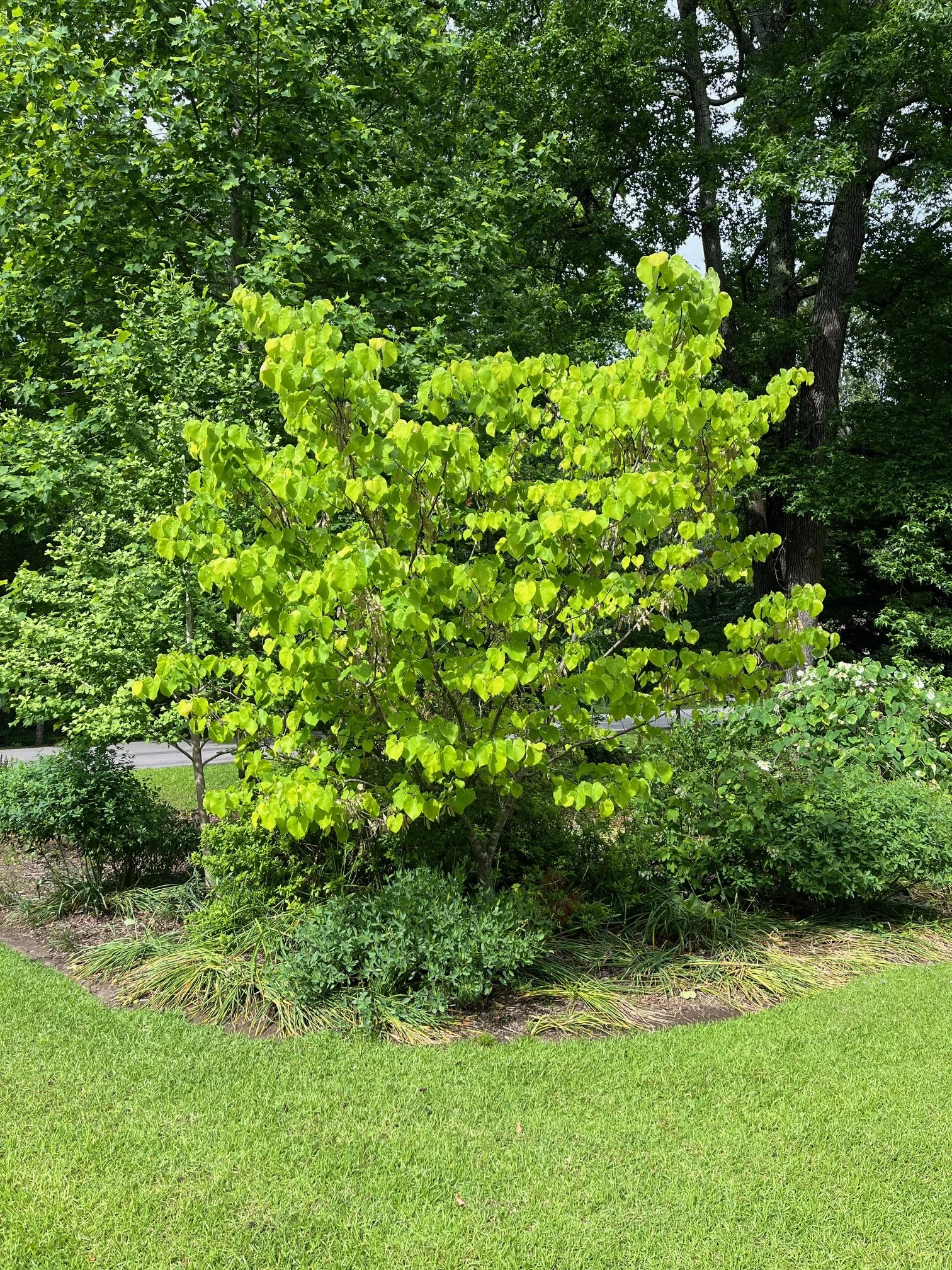
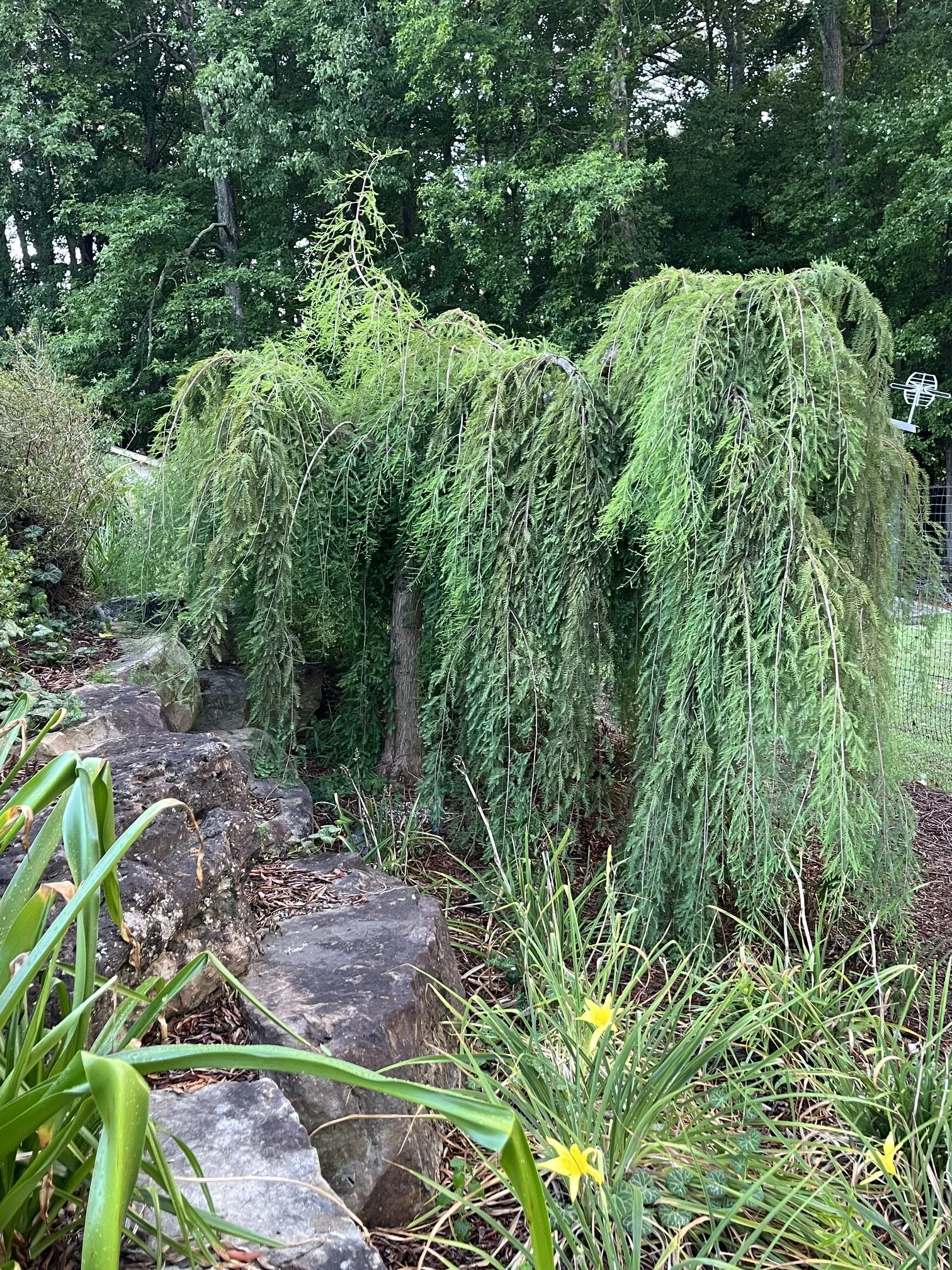
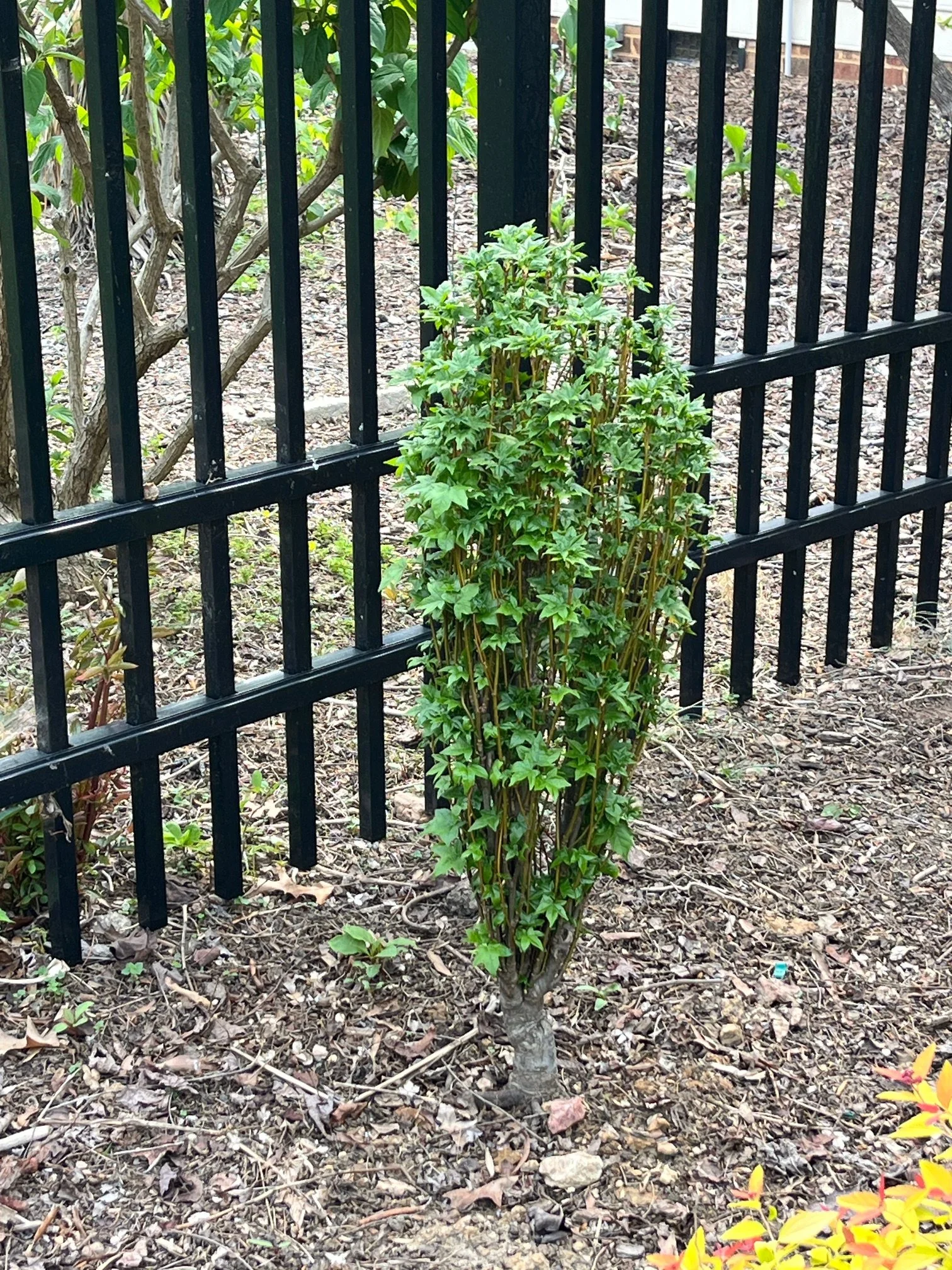
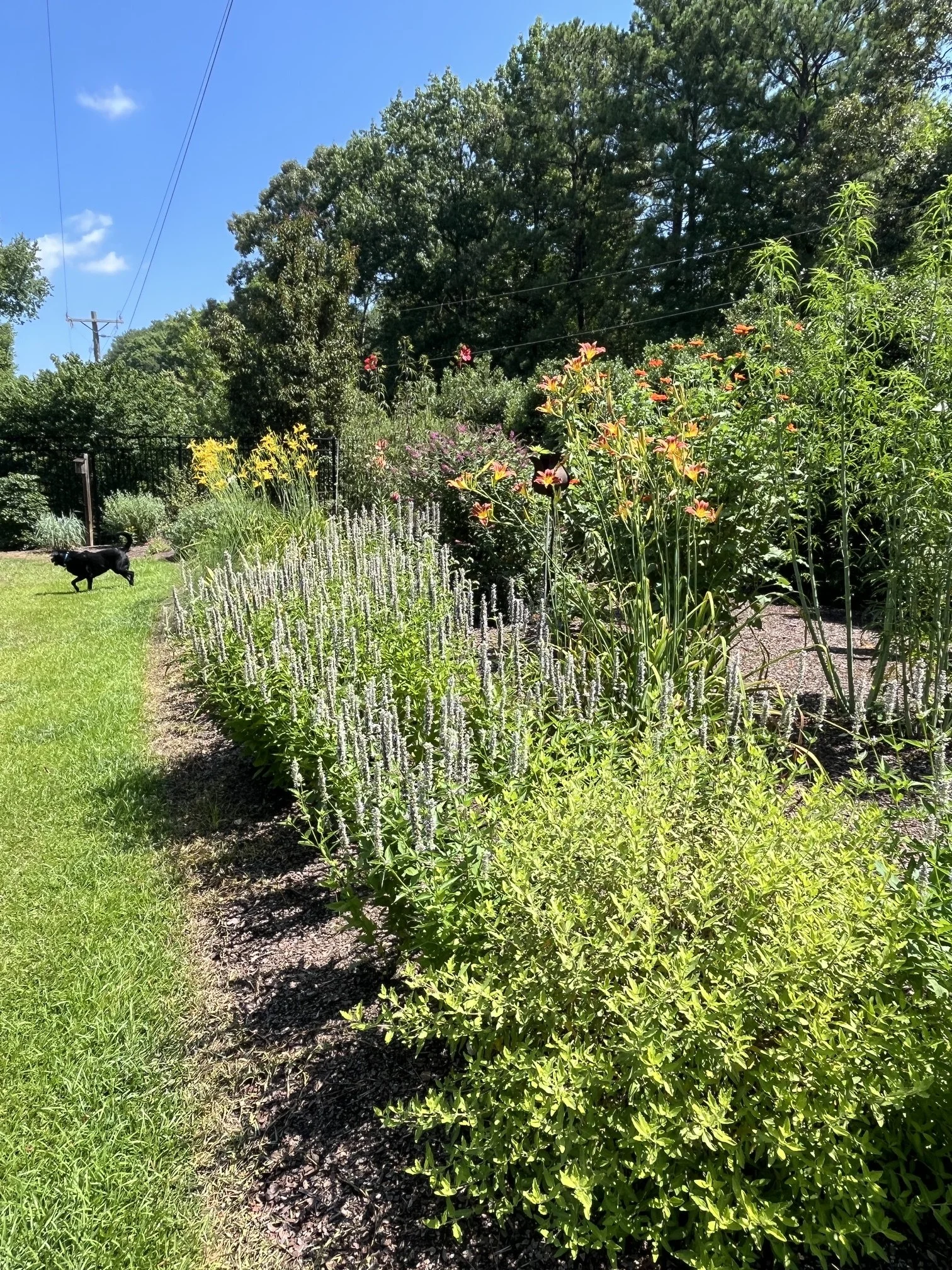
A 40-years in the making informal garden representing a diverse collection of woody and herbaceous species. The garden includes a full-sun exposure large mixed border that was renovated 3 years ago, and a 0.3 acre woodlot featuring shade tolerant plants. A large planting of blueberries keeps the residents, friends, neighbors and birds well supplied during late spring and summer. The garden also includes numerous cultivars of redbuds developed by Dennis during his years at NC State University.
#9 Swiftbrook Gardens
Swiftbrook Gardens is a restful retreat for humans and a refuge for native plants and wildlife. Spouses Dale Batchelor and John Thomas began creating the garden on 1.4 acres of reforesting piedmont farmland in 1993. Today Swiftbrook Gardens is recognized as a Native Plant Habitat by the North Carolina Native Plant Society and a Backyard Wildlife Habitat by the National and North Carolina Wildlife Federations. The gardens reflect the divergent interests and passions of its creators through the “His,” “Hers,” and “Ours” approach to the property. Dale’s open and inviting front and side garden blends with the surrounding cul-de-sac. Her passion for native flora is evident in the sunny and shaded planting beds alongside mossy paths. Removing the English Ivy and Japanese Honeysuckle that once dominated the property revealed two of its most appealing features—swaths of Partridgeberry and Running Cedar. Areas of undisturbed leaf litter provide habitat for insects and other small animals. John’s background in theatrical design is evident in the whimsical garden behind the modest ranch house. Careful control of sight lines creates a sense of mystery and drama while solid geometry lends formality to areas such as the “Little Sissinghurst Behind the Pergola.” His goal of having something in flower 365 days a year led him to become an avid collector of both native and well-behaved exotic plants. In the collaborative back woodland, brush piles, standing dead trees, and fallen deadwood support cavity nesting birds and other wildlife. Approximately 60 indigenous plant species have reemerged at Swiftbrook Gardens since the 1960s when the land was last farmed. More than 40 additional plants native to Wake County have been reintroduced by the gardeners. Learn more about Swiftbrook Gardens here.